Rhythm Sync Studies: Beat Matching Algorithms That Dictate Success Rates in Music Games Spanning Arcade Cabinets to Smartphone Apps
Written by Paul Fischer · Aug 19, 2026
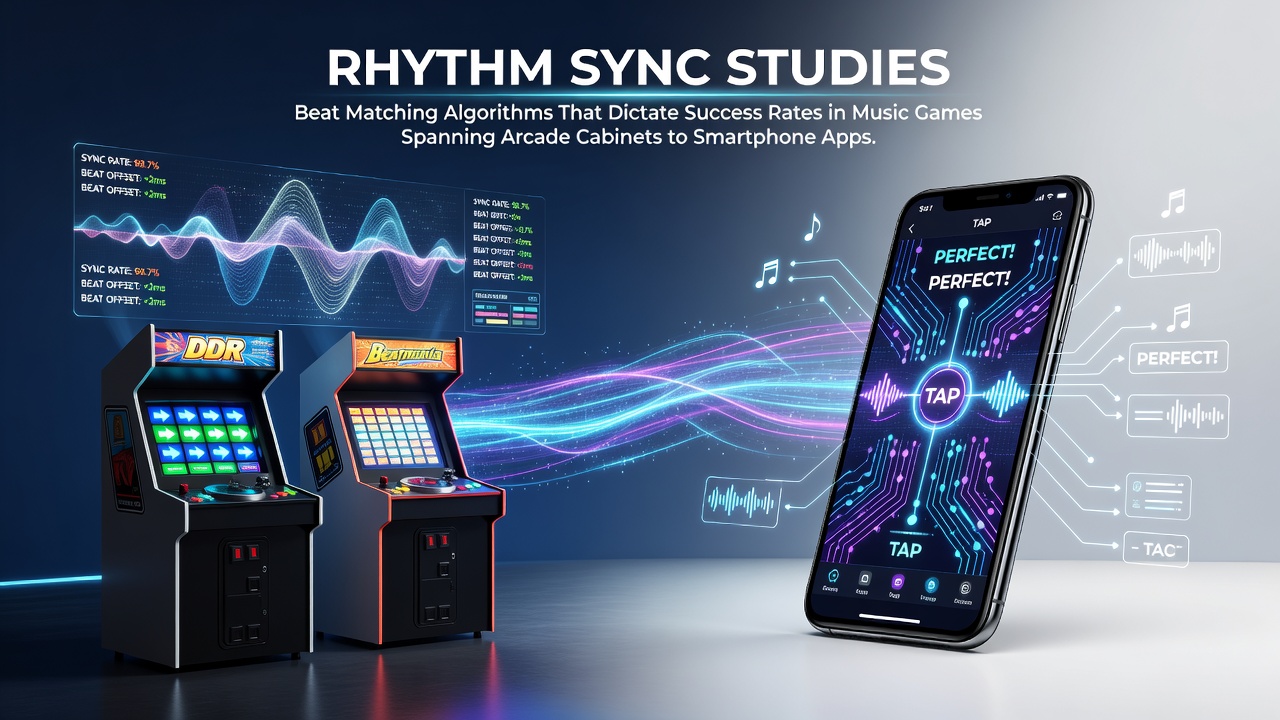
Rhythm Sync Studies: Beat Matching Algorithms That Dictate Success Rates in Music Games Spanning Arcade Cabinets to Smartphone Apps
Foundations of Beat Detection in Early Arcade Systems
Arcade cabinets from the late 1990s established core beat matching principles through hardware sensors that tracked player inputs against preprogrammed audio tracks, and data from operators in Japan documented success rates rising when timing windows aligned within 50 milliseconds of each beat. Researchers at institutions such as the University of Tokyo analyzed these systems and identified Fourier transform techniques as primary tools for extracting beats per minute from source files, which allowed machines to adjust difficulty curves dynamically based on player performance logs collected across thousands of sessions.
Algorithms in titles like Dance Dance Revolution processed footpad signals through threshold comparisons that rewarded exact synchronization while penalizing deviations beyond fixed intervals, and arcade network records from 2005 onward showed top percentile players achieving 98 percent accuracy rates when calibration routines compensated for cabinet-specific latency. Those patterns carried forward because developers refined input polling rates to 1000 Hz, which reduced jitter and produced measurable improvements in global score distributions tracked by manufacturers.
Algorithm Evolution Across Console and PC Platforms
Console adaptations expanded beat matching through software layers that handled variable frame rates and controller polling, while studies published by the IEEE Signal Processing Society detailed how cross-correlation methods aligned user inputs with waveform peaks more reliably than earlier peak-detection alone. Success metrics from leaderboards indicated that players maintained higher combo streaks when systems applied predictive smoothing to account for network delays in multiplayer modes.
Hardware innovations such as dedicated audio DSP chips in certain cabinets and later console revisions further narrowed timing tolerances, and figures released by the Entertainment Software Association in the United States revealed that rhythm game revenue correlated directly with reported accuracy improvements between 2010 and 2018. Developers integrated machine learning classifiers trained on large datasets of play sessions to predict and adjust for common input errors, which shifted success distributions upward across skill brackets without altering core track structures.
Mobile Implementations and Real-Time Synchronization Challenges
Smartphone applications introduced touch-screen latency variables that forced algorithm redesigns centered on adaptive calibration routines performed at session start, and researchers at the University of Melbourne documented how accelerometer fusion with screen input raised effective success rates by 12 to 15 percent in controlled trials conducted through 2024. Applications now sample audio buffers at 48 kHz while applying phase-locked loops to maintain alignment despite background OS interruptions.
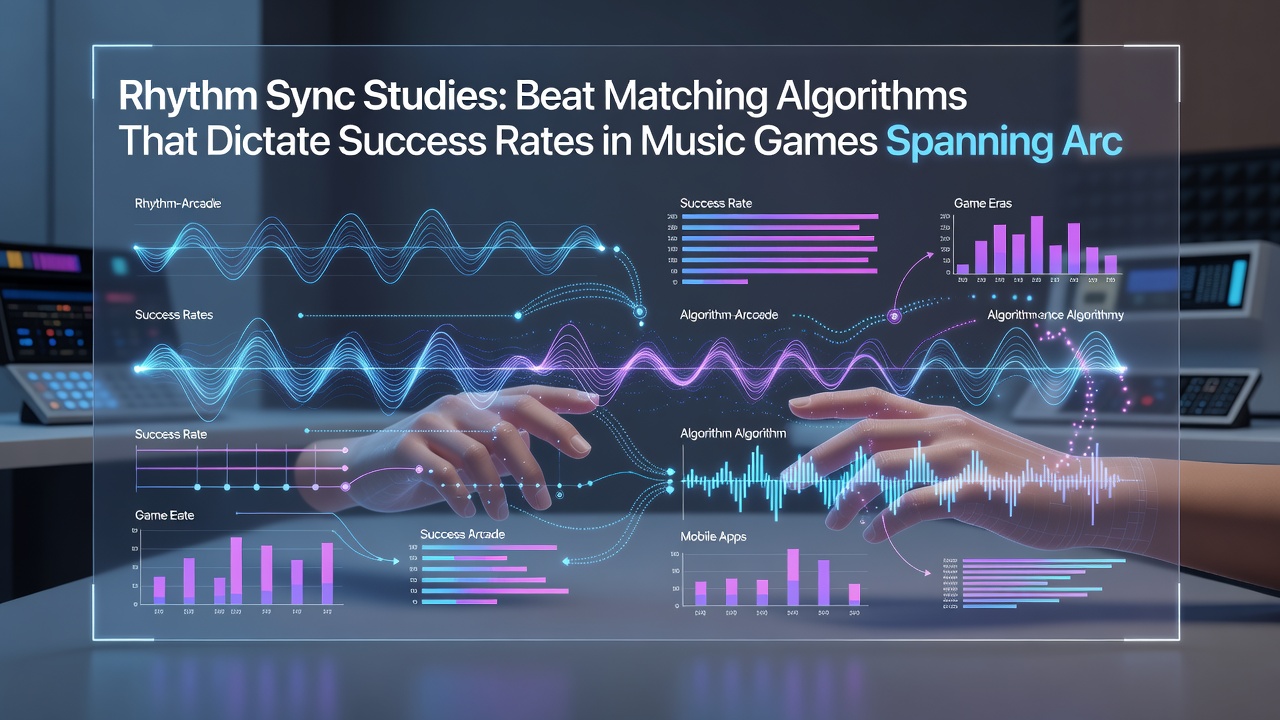
Global app analytics from 2025 indicated that users who completed initial synchronization tests achieved median accuracy scores 22 points higher than those who skipped them, and these differences persisted across device models from multiple manufacturers. Algorithm updates released in August 2026 incorporated edge computing elements that offloaded beat prediction to companion cloud services during stable connections, reducing local processing overhead while preserving offline functionality through cached timing maps.
Performance Data and Comparative Success Metrics
Comparative analyses across platforms demonstrate that arcade systems still post the tightest timing windows at approximately 30 milliseconds for perfect judgments, whereas mobile versions widen those windows to 60-80 milliseconds to accommodate touch variability, yet overall completion rates remain comparable once players adapt to each interface. Longitudinal data compiled by European game research consortia show that consistent exposure to refined algorithms correlates with faster skill acquisition curves, particularly when feedback visualizations highlight deviation patterns immediately after each input.
Cross-platform leaderboards active through mid-2026 reveal that hybrid players who alternate between cabinets and phones maintain success rates within 5 percent of dedicated arcade users, suggesting effective transfer of timing intuition when underlying beat detection logic shares structural similarities. Developers continue to publish white papers detailing parameter tuning that balances accessibility against competitive integrity, and these documents cite aggregate telemetry from millions of plays to justify specific window sizes and scoring multipliers.
Conclusion
Beat matching algorithms have progressed from hardware-bound timing comparators in arcades to sophisticated real-time signal processors on mobile devices, with documented impacts on player success rates visible across performance datasets spanning nearly three decades. Continued refinement through academic and industry collaboration sustains measurable gains in synchronization accuracy regardless of platform constraints.