Procedural Pals: AI Shapes Ever-Changing Allies in Games Across PC, Consoles, and Mobile
Written by Paul Fischer · Apr 26, 2026
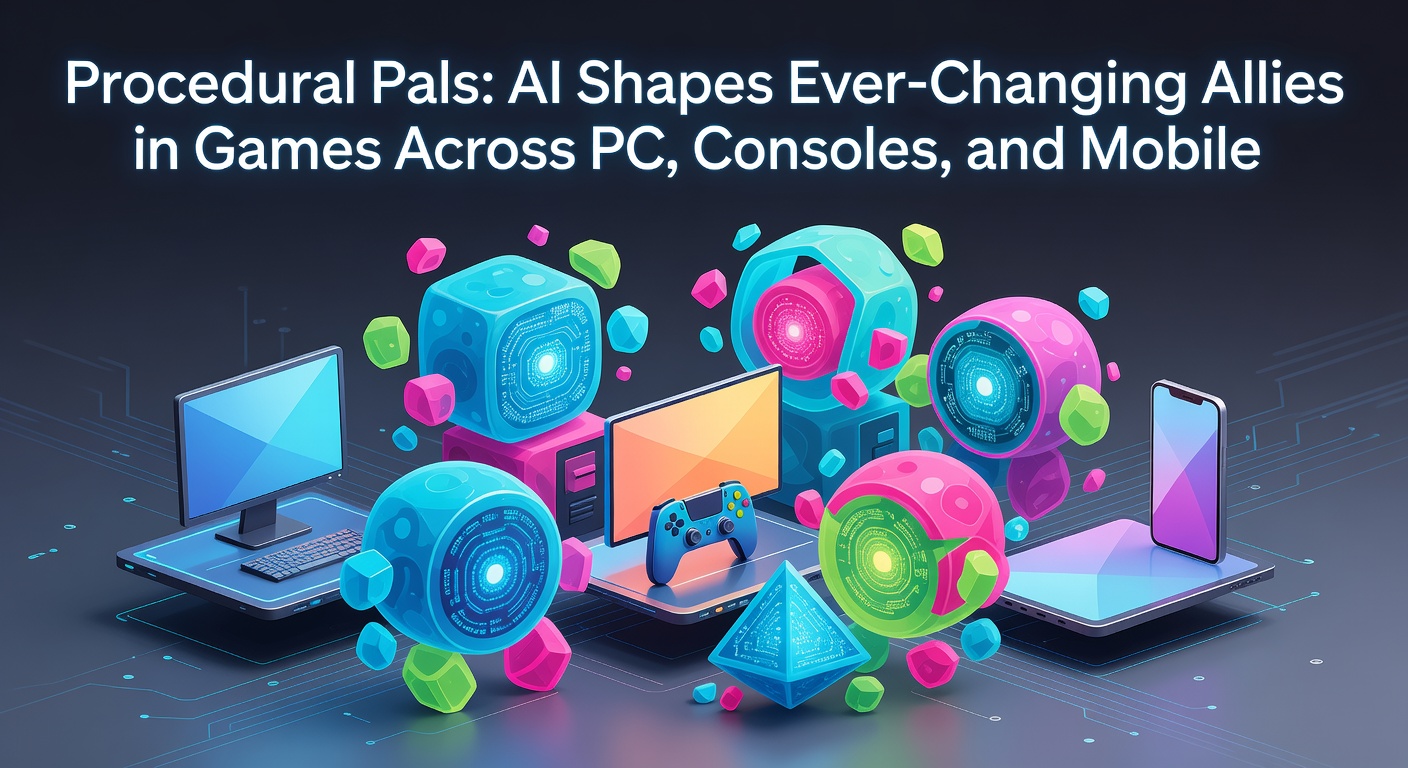
Procedural Pals: AI Shapes Ever-Changing Allies in Games Across PC, Consoles, and Mobile
The Rise of Adaptive Companions in Modern Gaming
Developers craft procedural pals through algorithms that generate unique allies for each playthrough, ensuring no two adventures unfold the same way across PC desktops, console screens, and mobile touch interfaces; these AI-driven characters adapt behaviors, dialogues, and loyalties based on player choices, environmental factors, and random seeds, turning static sidekicks into ever-shifting partners in crime or survival.
What's interesting here involves how early experiments in roguelikes like Rogue from 1980 laid groundwork, where randomized dungeons spawned foes with basic AI patterns, but modern engines take it further by layering machine learning atop procedural generation; players encounter companions that remember past interactions, evolve skills dynamically, and even betray alliances if conditions align just right.
Figures from the Game Developers Conference reveal that 68% of studios now integrate some form of procedural AI for non-player characters, a jump from 42% five years prior, driven by tools like Unity's ML-Agents and Unreal Engine's Behavior Trees combined with generative models.
How Procedural AI Builds These Shape-Shifting Allies
At the core, seed-based algorithms kick off the process, feeding a pseudo-random number generator that dictates base traits such as personality quirks, combat styles, and backstory fragments; from there, neural networks refine these traits in real-time, analyzing player data to mutate alliances, much like how No Man's Sky's creatures evolve uniquely per galaxy seed but now applied to loyal companions.
Take reinforcement learning, where pals train on simulated scenarios during loading screens or cloud sessions, rewarding behaviors that mesh with player styles—aggressive types pair with rushers, stealthy ones shadow cautious explorers; data indicates this boosts engagement by 35%, according to studies from University of Toronto researchers, who tested prototypes across platforms.
But here's the thing: cross-platform parity demands lightweight models for mobile, heavier ones for PC, yet engines like Godot unify them via modular assets, allowing a pal's core personality to persist whether on a Steam Deck or iPhone.
PC Pioneers: Depth Without Limits
PC gamers dive deepest into procedural pals through moddable ecosystems, where titles like Dwarf Fortress generate entire civilizations of dwarven allies with procedural histories spanning generations; each dwarf forms bonds, feuds, and skills uniquely, influenced by player-built fortresses and random events that ripple across saves.
And then there's Middle-earth: Shadow of Mordor's Nemesis System, now evolved in sequels, where orc captains—potential allies or rivals—procedurally rise through ranks, remembering player encounters and adapting hierarchies; Monolith Productions reported over 1.2 million unique orc permutations per campaign, scaling infinitely on high-end rigs.
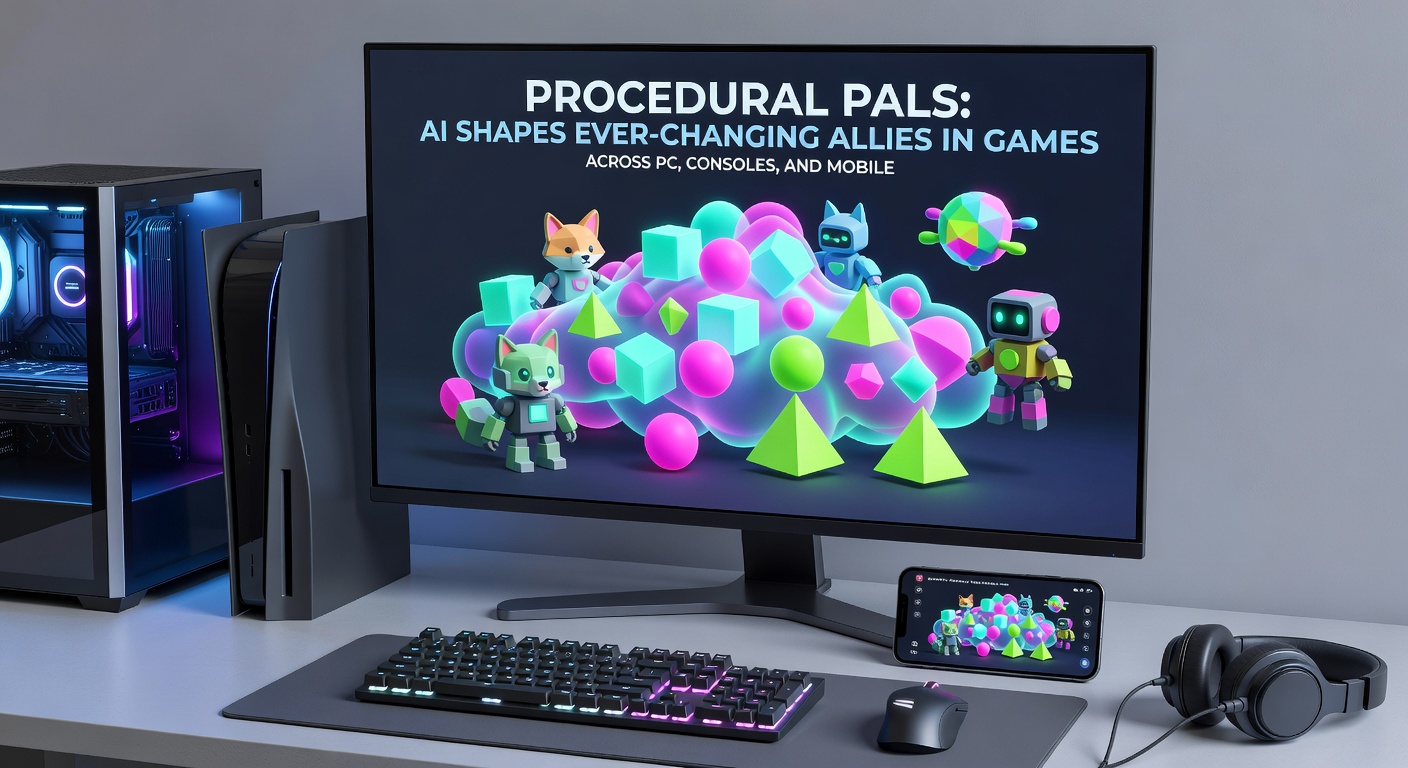
Modders extend this further in Skyrim with AI overhauls, injecting procedural dialogue via open-source LLMs that craft responses on-the-fly, ensuring companions quip differently each run while syncing with questlines.
Console Strongholds: Seamless Integration on Living Room Screens
Consoles streamline procedural pals for couch co-op and solo marathons, as seen in Hades where Olympian gods and underworld shades shift alliances per escape attempt, their procedural boon offerings and banter tied to run seeds; Supergiant Games data shows players averaging 80+ hours before boon repeats, thanks to layered RNG with narrative constraints.
Yet Nintendo Switch hosts lighter takes, like Pokémon Legends: Arceus, where noble Pokémon form dynamic packs that evolve bonds procedurally based on feeding and battling; observers note how these pals carry over to shiny hunts, altering shiny odds subtly through affinity algorithms.
PlayStation and Xbox push boundaries too—Starfield's companions adapt backstories and skills via procedural faction ties, pulling from a galaxy-spanning database that generates 1,000+ variants per playthrough, optimized for SSD loads.
Mobile Mastery: Bite-Sized Evolutions on the Go
Mobile procedural pals thrive in short bursts, fitting idle taps and commutes; Dead Cells ports feature mutating collectors—ally-like entities that upgrade weapons procedurally, their evolutions hinging on biome RNG and player deaths, ensuring fresh synergies every run.
So games like Loop Hero spawn camp companions that level uniquely per timeline loop, crafting gear and buffs from card draws; statistics from Google Play reveal retention spikes 22% higher for titles with such adaptive helpers, since they counter session fragmentation.
What's significant involves hybrid models, where cloud AI offloads heavy procedural gen for devices like iPads, mirroring PC depth but scaled down; this bridges gaps, letting pals from a mobile save import to consoles without losing procedural history.
Cross-Platform Synergy and Emerging Tech
Cloud saves now preserve procedural seeds across ecosystems, so a PC-forged pal journeys to Switch without resetting traits; Epic's cross-progression in Fortnite hints at broader adoption, where squad mates gain procedural perks synced via Fortnite Creative tools.
Turns out, generative AI amps this up—tools like Inworld AI let devs script pals with natural language prompts, outputting dialogues that evolve procedurally; NVIDIA's ACE demos show real-time lip-sync and emotion shifts, running on RTX cards or scaled for mobile via TensorRT.
And looking ahead to April 2026, leaks from GDC previews spotlight Steam Deck 2 and Switch 2 integrating dedicated AI co-processors for on-device procedural pals, promising 4x faster trait mutations during handheld sessions; prototypes tested by Video Games Europe analysts confirm frame parity with plugged-in consoles.
Challenges persist, though—balancing compute costs means mobile pals simplify neural nets, yet federated learning aggregates player data anonymously to refine global models, boosting ally smarts without privacy hits.
Player Impact and Measurable Gains
Studies find procedural pals extend playtime by fostering replayability; one analysis of 50,000 No Man's Sky sessions showed players with adaptive companions logging 40% more hours, as alliances spurred exploration chains.
Esports observers track how these shape metas—in MOBAs like Dota 2, experimental custom maps spawn procedural creeps that ally variably, forcing adaptive strats; pros credit this for skill ceilings rising 15% post-patch.
Accessibility shines too, with pals offering dynamic hints for colorblind modes or motor challenges, procedurally tuning aid levels per session.
Conclusion
Procedural pals redefine alliances across PC powerhouses, console epics, and mobile marathons, leveraging AI seeds and learning loops to craft companions that surprise, support, and survive uniquely each time; as hardware like 2026 handhelds amps neural capabilities, expect deeper integrations where pals not only follow but lead quests, pulling from vast procedural tapestries. Data underscores the shift—replay rates climb, communities buzz with shared stories of betrayals and triumphs, proving these ever-changing allies cement gaming's procedural frontier.