Player Migration Trends Highlight How Account Linking Tools Influence Long-Term Engagement Across Digital Marketplaces
Written by Leon Lorenz · Jun 12, 2026
Player Migration Trends Highlight How Account Linking Tools Influence Long-Term Engagement Across Digital Marketplaces
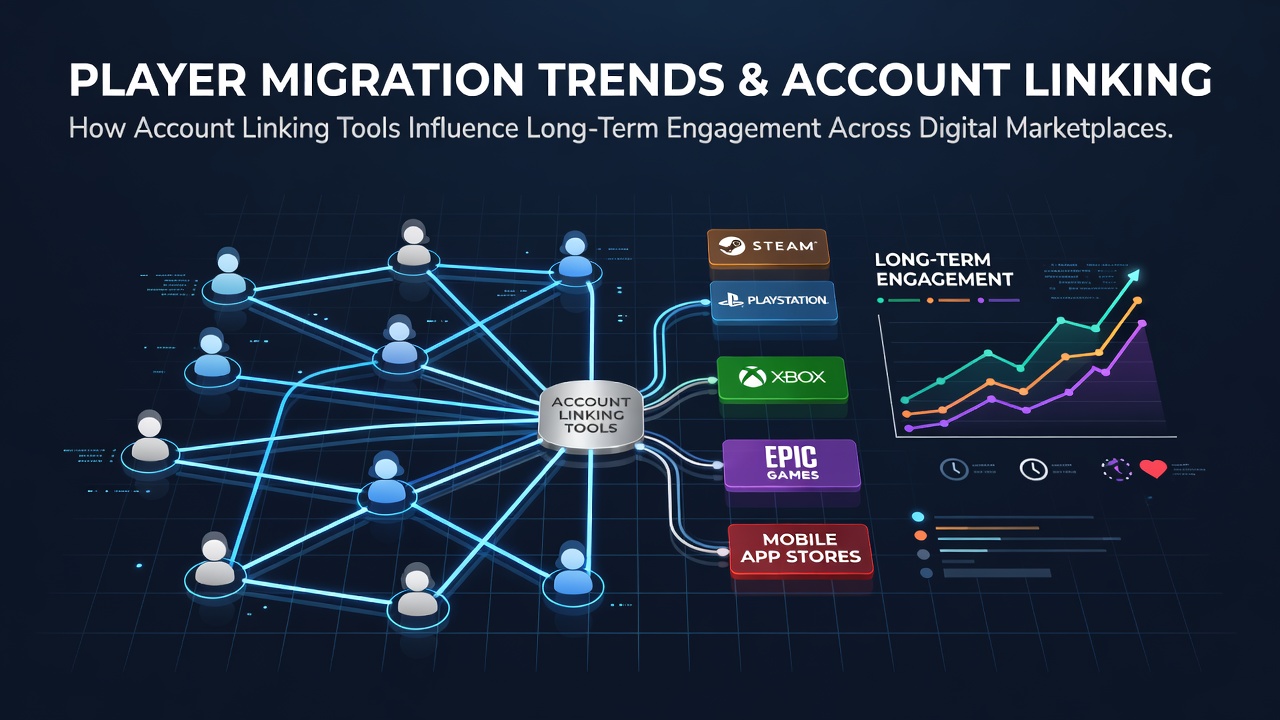
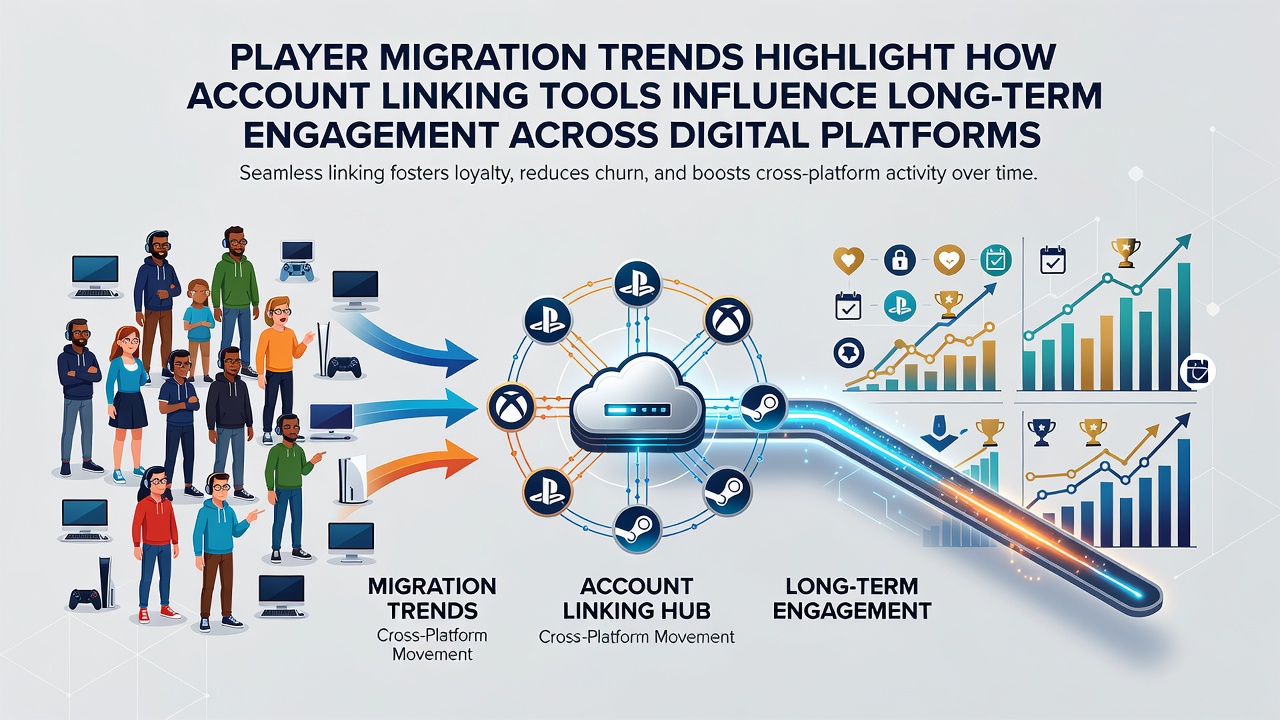
Player migration across digital marketplaces has accelerated in recent years as gamers move between PC platforms, console ecosystems, and mobile storefronts in search of new experiences while carrying progress forward. Account linking tools have emerged as central mechanisms that enable this movement, allowing users to connect profiles across services such as Steam, PlayStation Network, Xbox Live, and various mobile distribution channels. Data from industry reports indicate that these tools correlate with extended player retention when implemented effectively, though outcomes vary depending on technical execution and policy frameworks.
Tracking Migration Patterns in 2026
Market analysts documented notable shifts during the first half of 2026, with June figures revealing sustained cross-platform movement driven by new releases and hardware updates. Researchers at several institutions compiled datasets showing that approximately 28 percent of active accounts on major PC marketplaces initiated links to console or mobile services within the preceding twelve months. This pattern reflects broader adoption of unified login systems that preserve achievements, inventories, and progression data across environments.
Those who study digital economies note that migration tends to cluster around specific triggers including seasonal content drops, hardware launches, and promotional events. European Union digital market oversight documents highlight how seamless account connections reduce friction during these transitions, enabling users to maintain engagement without restarting collections or social graphs. In contrast, fragmented linking processes often result in temporary drops in activity as players navigate compatibility hurdles.
Mechanics of Account Linking and Retention Effects
Account linking operates through secure authentication protocols that merge user identities while respecting regional data regulations. Platforms employ these systems to synchronize save files, friend lists, and purchase histories, which in turn supports continuous play sessions across devices. Studies conducted by academic groups in Australia and Canada have measured retention metrics before and after linking implementation, finding that connected accounts demonstrate higher average session lengths over six-month observation periods.
What's interesting is how these tools influence long-term behavior rather than immediate sign-ups. When linking succeeds without data loss, players exhibit repeated returns to both originating and destination marketplaces. Figures released by the Entertainment Software Association of Canada in early 2026 showed a 19 percent increase in multi-platform activity among users who activated cross-service connections compared with unlinked cohorts. This outcome stems from reduced barriers to exploring new titles while preserving investments made on prior platforms.
Marketplace Responses and Technical Considerations
Digital storefront operators have adjusted infrastructure to accommodate rising demand for linking features. Many now integrate standardized APIs that facilitate one-time authentication across ecosystems, though implementation quality differs between providers. Observers tracking these developments point to instances where incomplete synchronization led to duplicated purchases or lost cosmetics, prompting temporary dips in user trust until patches addressed the issues.
Regional variations appear in policy approaches as well. Canadian regulatory reviews emphasize consumer protection during data transfers, requiring clear consent mechanisms and easy revocation options. Meanwhile, reports from Asian markets document faster rollout of linking tools tied to local mobile ecosystems, resulting in quicker adoption rates among younger demographics. These differences illustrate how regulatory environments shape the availability and reliability of migration pathways.
Data Insights from Recent Analyses
Comprehensive datasets compiled through mid-2026 reveal that account linking correlates with diversified spending patterns rather than concentrated activity on single platforms. Players who maintain active links across multiple marketplaces allocate purchases more evenly, supporting sustained revenue streams for several providers simultaneously. University-led research initiatives in the United States have corroborated these trends through anonymized transaction logs, noting that linked accounts generate higher lifetime value metrics when progression continuity remains intact.
Yet challenges persist around security and interoperability. Instances of account compromise during linking processes have prompted enhanced verification standards across services. Industry organizations continue to refine best practices, focusing on encryption standards and audit trails that protect user information while enabling fluid movement between environments.
Conclusion
Player migration trends underscore the growing importance of account linking tools in shaping engagement across digital marketplaces. Available evidence from regulatory bodies, trade associations, and academic studies points to measurable impacts on retention and spending when these systems function reliably. As marketplaces continue evolving through 2026 and beyond, the technical and policy frameworks governing account connections will likely determine how effectively users sustain long-term participation across diverse platforms.