Patterns in virtual resource management reveal designer approaches to sustainability themes within persistent digital ecosystems
Written by Blake Lorenz · Jul 1, 2026
Patterns in virtual resource management reveal designer approaches to sustainability themes within persistent digital ecosystems
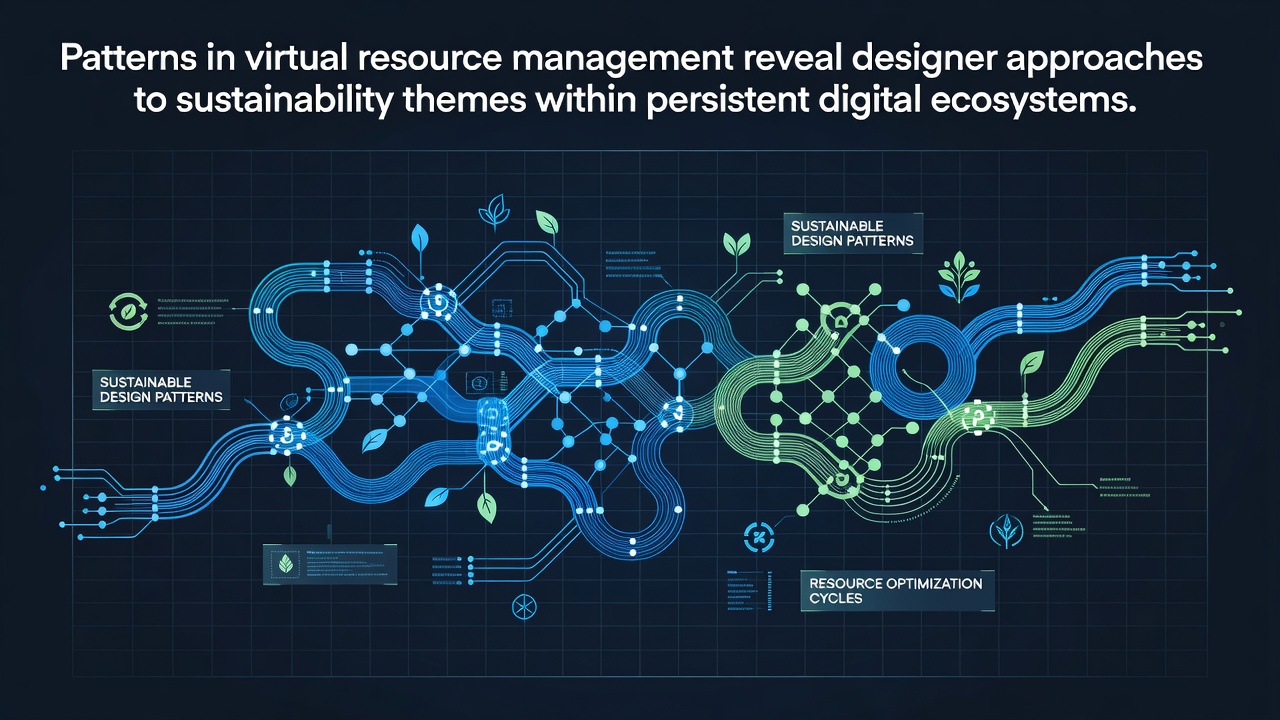
Persistent digital ecosystems such as massively multiplayer online worlds and long-running virtual environments continue to expand in 2026, and patterns in how designers allocate resources have begun to highlight deliberate approaches to sustainability themes. These systems track player interactions with finite or regenerating assets including energy, materials, and land use, which creates measurable cycles that mirror real-world conservation models. Designers embed these mechanics to encourage repeated engagement while maintaining ecosystem stability over months or years of operation. Research indicates that resource depletion rates often follow predictable curves tied to player density and seasonal events, allowing teams to adjust spawn algorithms without disrupting ongoing sessions.Core mechanics in resource allocation systems
Virtual resource management relies on layered tracking tools that monitor extraction, regeneration, and player-driven redistribution across shared servers. In many cases, these tools incorporate feedback loops where overuse triggers scarcity events that reshape community behavior, whereas balanced harvesting supports gradual expansion of available assets.
Observers note that such loops frequently draw from ecological modeling techniques, with designers applying concepts like carrying capacity and biodiversity equivalents to digital flora and fauna populations. This creates environments where players must weigh immediate gains against long-term availability, producing data sets that reveal preferred designer strategies.
Observed patterns across multiple platforms
Data from server logs in several persistent titles shows recurring cycles of resource hoarding followed by community-led redistribution events, particularly during mid-year content updates in 2026. These patterns suggest designers favor systems that reward cooperative play over solitary exploitation, because isolated overharvesting leads to server-wide penalties that affect all participants equally.
What's notable is the integration of sustainability metrics directly into progression systems, where players unlock cosmetic or functional upgrades by maintaining ecological balance rather than maximizing extraction alone. Industry reports from the Entertainment Software Association highlight how these choices reduce churn rates in long-term user bases, as participants return to observe the effects of collective decisions.
Integration of sustainability themes
Designers increasingly embed narrative elements that frame resource choices as environmental stewardship questions, which influences how players interpret scarcity events. One study conducted by researchers at Stanford University examined log files from multiple virtual worlds and found that titles incorporating explicit sustainability messaging showed higher rates of player-initiated conservation behaviors compared to purely mechanical systems.
Yet the implementation varies by region and platform, with European servers often emphasizing regulatory-style limits on total extraction while North American examples lean toward incentive-based rewards for regeneration efforts. This geographic variation produces distinct community cultures around resource use that persist across server resets and expansions.
Case examples from current ecosystems
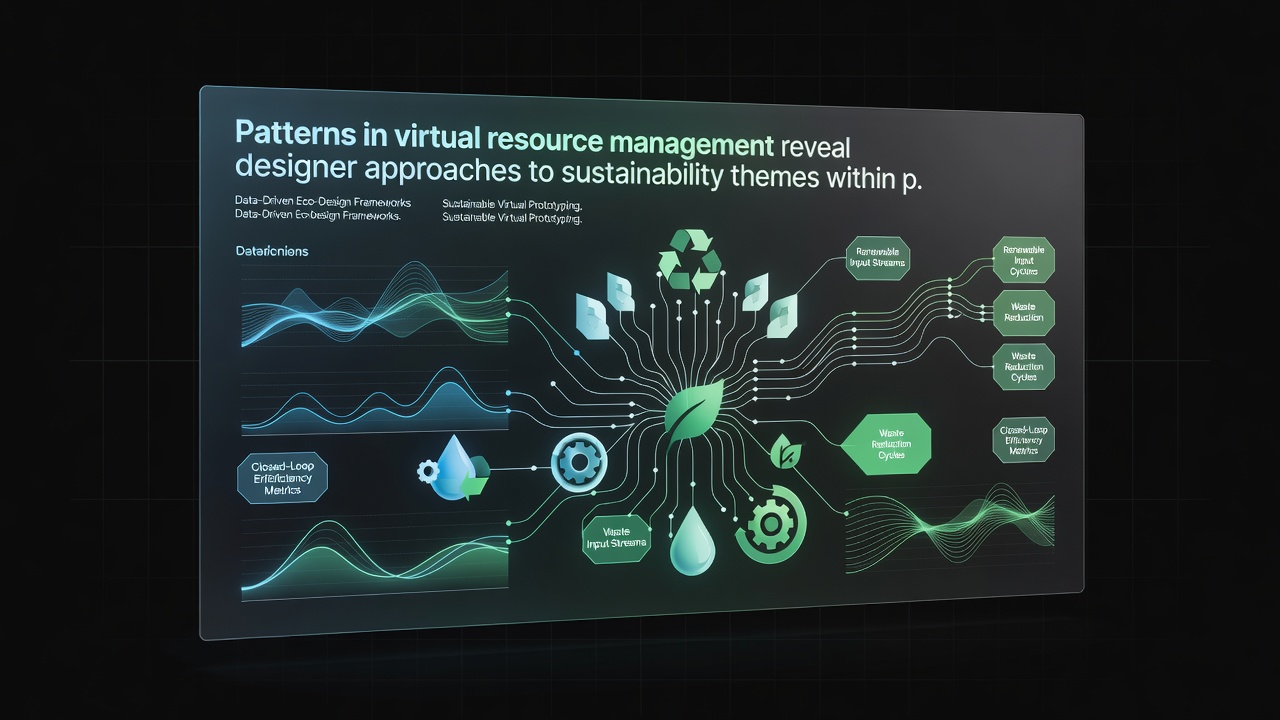
Take one persistent title launched in prior years that underwent a major resource overhaul in early 2026, where designers introduced tiered harvesting zones that regenerate at different speeds based on overall server health. Players who contribute to zone recovery receive access to premium gathering locations, creating documented increases in collaborative activity during peak hours.
Another example appears in cross-platform environments where mobile and desktop users share the same resource pools, and data shows mobile participants often focus on rapid small-scale collection while desktop users handle larger infrastructure projects. This division emerges naturally from interface differences yet aligns with designer goals for balanced ecosystem pressure.
Research findings and data trends
Academic analysis of server telemetry from 2025 through mid-2026 indicates that sustainability-themed resource systems correlate with extended player retention when paired with visible progress tracking. Figures from the Interactive Software Federation of Europe reveal that titles applying these methods report average session lengths extending by measurable margins during periods of active conservation events.
But here's the thing: these outcomes depend on transparent communication of rules, because opaque mechanics lead to frustration and disengagement regardless of thematic intent. Designers who publish regular ecosystem status reports see stronger community buy-in, which in turn stabilizes resource distribution patterns over time.
Conclusion
Patterns emerging from virtual resource management continue to demonstrate how designers translate sustainability themes into playable systems that shape long-term player interactions within persistent digital ecosystems. Server data collected through 2026 supports the view that thoughtful allocation mechanics produce measurable effects on community dynamics and retention metrics, while regional implementation differences create varied but observable outcomes across global player bases. These approaches evolve alongside hardware capabilities and player expectations, maintaining relevance in expanding digital environments.