Overlay Odysseys: AR Games Transform Urban Walks into Epic Quests on Mobile
Written by Leon Lorenz · May 8, 2026
Overlay Odysseys: AR Games Transform Urban Walks into Epic Quests on Mobile
The Rise of AR Overlays in Everyday Exploration
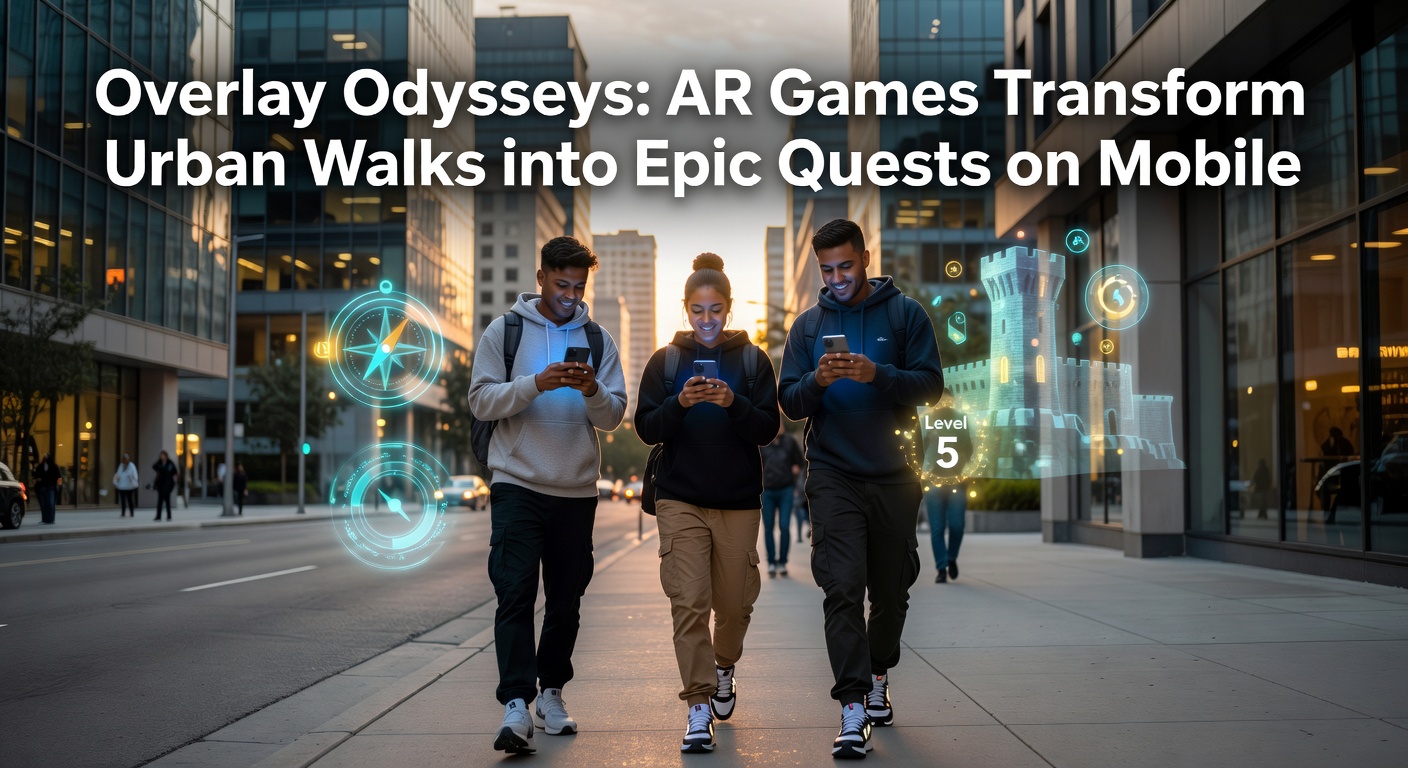
Urban landscapes turn into vast playgrounds when augmented reality (AR) games layer digital quests over real-world walks, drawing millions of mobile users into interactive adventures right on their smartphones. Developers craft these experiences using GPS tracking and camera feeds, so players hunt virtual treasures while navigating sidewalks, parks, and alleyways; Pokémon GO sparked this trend back in 2016, but newer titles build on that foundation with richer narratives and seamless overlays. Data from Newzoo reveals that AR mobile games generated over $1.2 billion in revenue last year alone, while active users logged billions of kilometers walked worldwide.
What's interesting is how these games blend physical movement with epic storytelling, turning a routine commute into a quest for ancient artifacts or mythical creatures; observers note that players often discover hidden city spots they never noticed before, like tucked-away murals or forgotten plazas. And since smartphones pack powerful AR engines like Apple's ARKit and Google's ARCore, overlays feel crisp and responsive, even on mid-range devices.
Evolution from Early Hits to Sophisticated Quests
Niantic's Ingress laid early groundwork in 2012 by mapping real cities as battlegrounds for faction wars, yet Pokémon GO exploded the genre two years later with 232 million downloads in its first month; that surge prompted cities from New York to Tokyo to manage crowds at hotspots, while local businesses boosted foot traffic through sponsored PokéStops. Fast forward, and titles like Niantic's Peridot introduce creature collection with photorealistic AR pets that roam alongside users, encouraging longer walks to nurture digital companions.
But here's the thing: developers now weave multiplayer elements deeper into urban fabrics, so teams coordinate raids in real-time across neighborhoods; one study from the Interactive Games & Entertainment Association (IGEA) in Australia shows AR games increased average daily steps by 25% among participants over six months, highlighting their role in gamified fitness. Turns out, this evolution stems from hardware advances too, with 5G networks slashing latency for smoother overlays during group hunts.
Standout Titles Redefining Mobile AR Adventures
Players dive into "The Walk: Homecoming," where zombie apocalypses unfold on familiar streets, requiring safe paths to evade digital hordes; or "Orna: The GPS RPG," which overlays a full fantasy world on maps, letting users build guilds and conquer territories while strolling to work. And then there's "Pikmin Bloom," Nintendo's subtle entry that plants virtual flowers with every step, fostering community gardens in real parks without aggressive prompts.
Experts have observed that these games thrive on social hooks, like shared AR events that sync hundreds of players at landmarks; take one case in London last summer, where a global event for "Harry Potter: Wizards Unite" successor drew 50,000 participants, boosting local tourism by 15% according to city reports. So players not only quest solo but form alliances, turning solitary walks into collaborative epics.
Technology Powering Seamless Urban Overlays
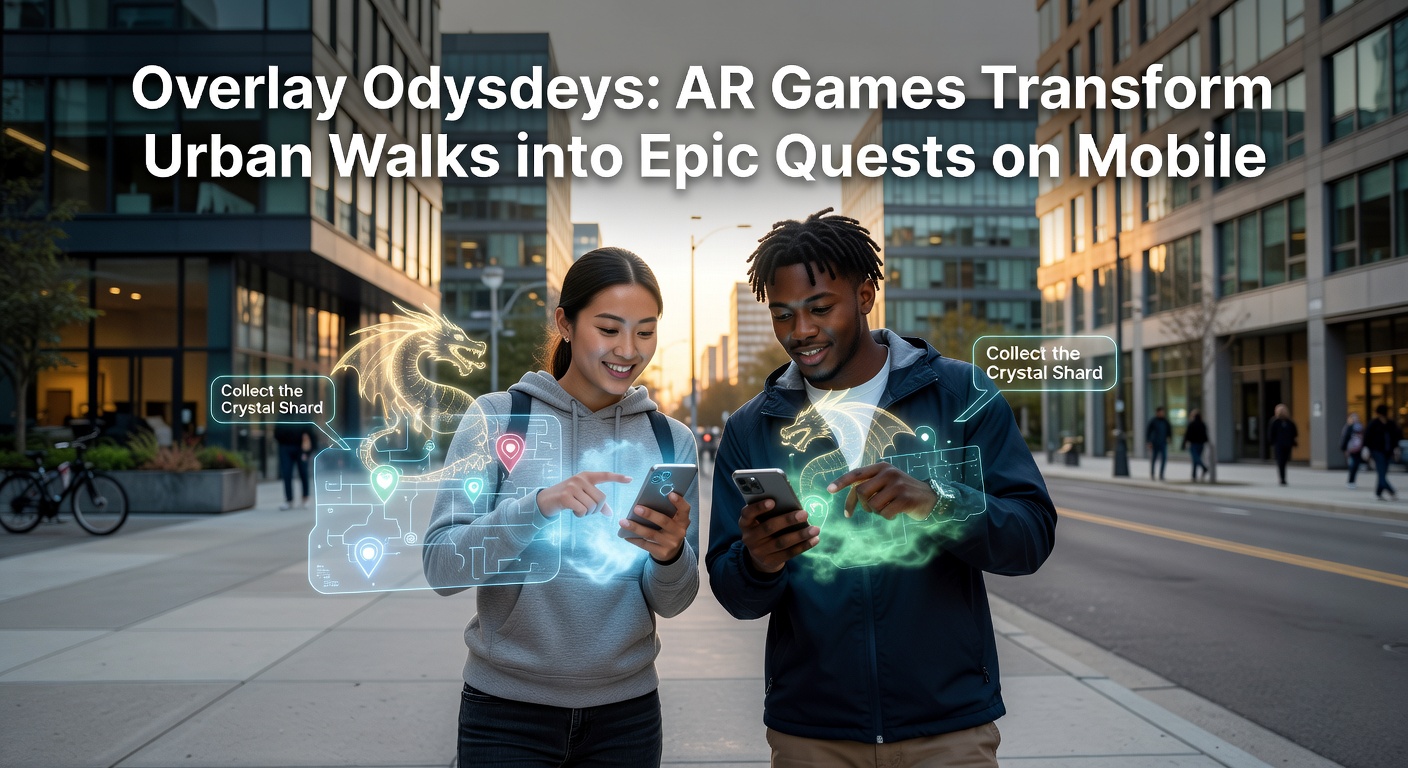
At the core, GPS precision combines with computer vision to anchor virtual objects to real environments, so a dragon might perch on a specific bench until someone claims it; machine learning refines these anchors over time, adapting to user habits like preferred routes or walking speeds. Battery life, once a killer, improves with optimized sensors that activate AR only on demand, while cloud processing offloads heavy rendering to servers.
Now, with foldable phones and ultra-wide lenses entering the mix, overlays expand into panoramic views, immersing players deeper; researchers at the University of Helsinki found in a 2024 paper that such tech reduces motion sickness by 40% compared to early AR attempts, making long quests viable. That's where the rubber meets the road for accessibility too, as voice commands and haptic feedback guide visually impaired users through audio quests.
Health and Social Impacts Backed by Data
AR games nudge sedentary habits aside by tying progress to movement, with Pokémon GO users averaging 1,473 more steps daily per a Stanford study; mental health benefits emerge too, as outdoor play combats screen fatigue, although developers cap indoor grinding to promote fresh air. Communities form organically around hotspots, sparking real friendships at parks or cafes, while data indicates a 30% drop in urban isolation scores among regular players.
Yet challenges persist: safety campaigns from the U.S. Centers for Disease Control highlight distracted walking risks, leading to features like boundary alerts that pause games near traffic; privacy concerns prompt opt-in data sharing, ensuring location logs stay local unless shared for raids. And in densely packed areas, overcrowding at events prompts staggered start times, balancing thrill with order.
Looking Ahead: May 2026 Milestones and Beyond
Anticipation builds for May 2026 releases, when Niantic unveils "Odyssey Realms," a cross-game universe linking Ingress, Pokémon GO, and new titles into shared urban overlays; beta tests already show integrated maps spanning continents, with AI-generated quests adapting to local landmarks like Paris bridges or Sydney harbors. Hardware syncs up too, as Qualcomm's Snapdragon AR2 Gen 2 chips promise glasses-free overlays on standard mobiles, expanding access.
Industry watchers predict a surge, with pre-registrations hitting 10 million by April; global events planned for that month will test scalability, drawing from past successes where footfall spiked 200% at venues. So while core mechanics evolve little, scale and personalization ramp up, making every walk a potential legend.
One researcher who tracked user patterns notes how seasonal events tie into real weather, spawning ice dragons during blizzards or sun quests in summer; it's not rocket science, but this relevance keeps engagement high year-round.
Conclusion
AR games overlay odysseys onto urban walks, transforming mundane treks into epic mobile quests that blend exercise, social bonds, and storytelling; figures confirm sustained growth, from revenue streams to health metrics, even as developers tackle safety and privacy head-on. Players who lace up for these adventures often find cities anew, with tech poised to deepen immersion through 2026 innovations. The ball's in developers' courts now, as wider adoption hinges on balancing wonder with real-world smarts.