Layered Soundscapes: How Dynamic Audio Layers Reshape Strategy in Esports Tournaments Across PC and Console Arenas
Written by Leon Lorenz · May 17, 2026
Layered Soundscapes: How Dynamic Audio Layers Reshape Strategy in Esports Tournaments Across PC and Console Arenas
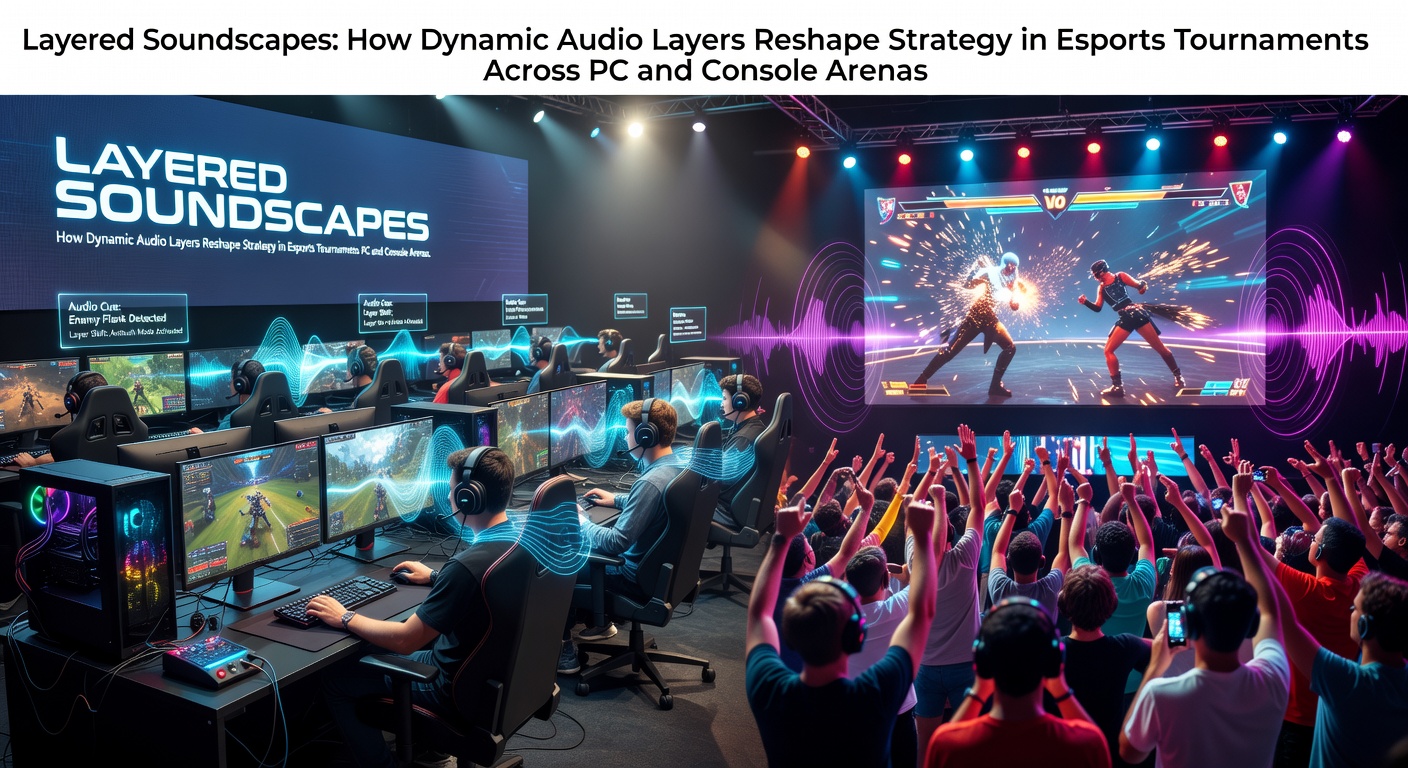
Dynamic audio layers have become central to how competitors approach high-stakes matches in esports, and the way those layers shift in real time continues to influence decisions across both PC and console platforms. Sound design teams now build systems that adjust volume, spatial positioning, and frequency emphasis based on player actions, environmental changes, and even match phase, which creates new variables for teams to account for during preparation and live play.
Core Mechanics Behind Layered Audio Systems
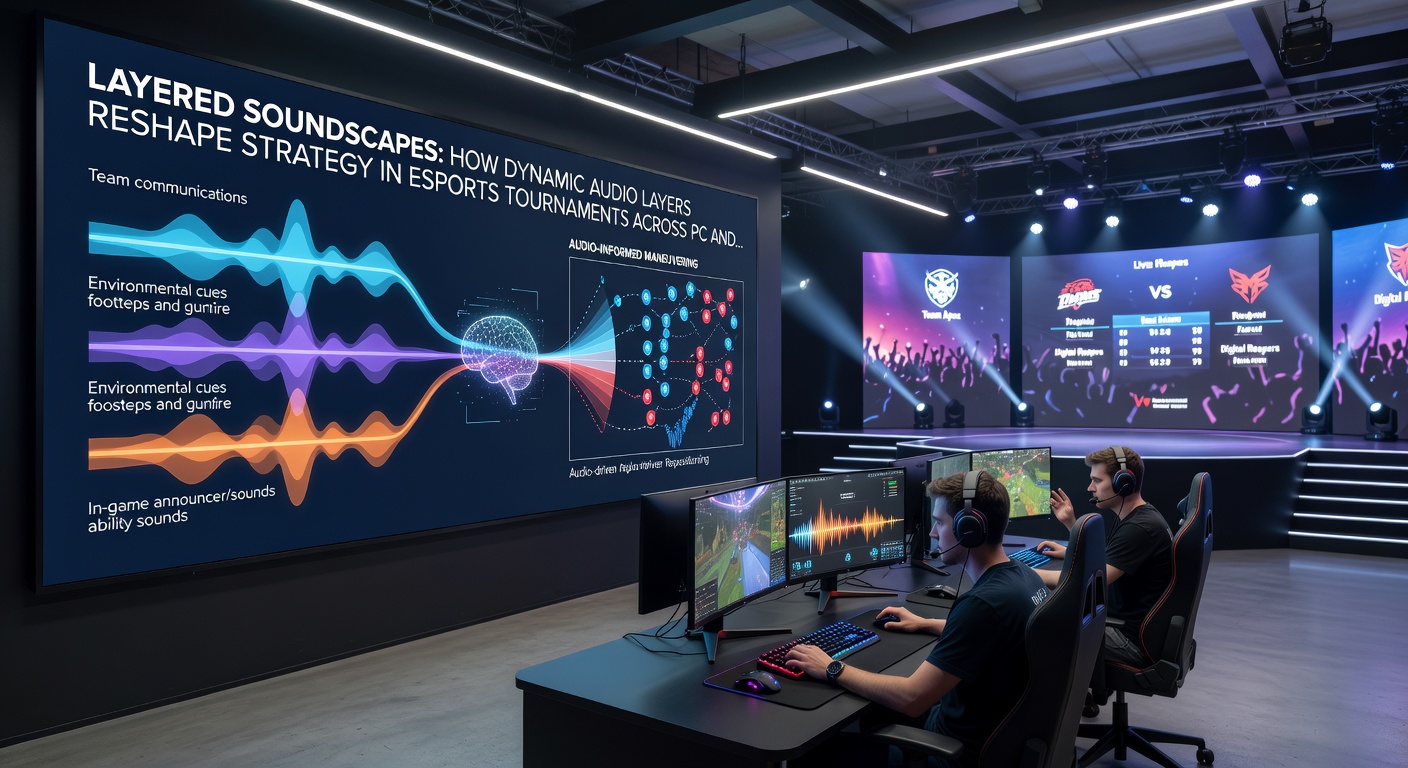
Modern engines separate audio into distinct tracks that include footsteps, weapon reports, ambient effects, and directional cues, then modulate them through middleware tools that respond to game state data. A player moving through cover might trigger a reduction in distant ambient noise while boosting subtle movement sounds from nearby opponents, and this adjustment occurs without manual intervention from the audio director. Data from recent tournament broadcasts shows that teams spend increasing portions of their review sessions analyzing these audio shifts frame by frame rather than focusing solely on visual replays.
Strategic Adjustments in Tournament Play
Coaches have started incorporating audio cue drills into daily practice because opponents can mask or reveal position through controlled use of environmental sounds. In titles that support both PC and console competition, console players often encounter different audio compression profiles that alter how footsteps register at distance, which forces hybrid rosters to develop platform-specific callouts. Observers note that successful squads now treat sound as a resource they can influence, whether by coordinating simultaneous movements that overload enemy audio processing or by holding position to let ambient layers settle into predictable patterns.
Platform Differences Across PC and Console Environments
PC setups typically allow for custom audio drivers and higher sample rates, which preserves finer detail in layered effects, whereas console implementations route through standardized output pipelines that apply fixed mixing curves. These differences become pronounced during cross-play events where one team competes from PCs while another uses consoles, and timing windows for reacting to audio cues can vary by several milliseconds. Tournament organizers have responded by standardizing broadcast mixes, yet players still report needing separate warm-up routines depending on the hardware they will use in any given match.
Research from the University of Melbourne indicates that spatial audio rendering on next-generation consoles creates distinct occlusion patterns compared with PC configurations, and teams have begun mapping these patterns into their scouting databases ahead of major events. The shift affects how players position themselves relative to vertical sound sources such as footsteps above or below their location, and coaches adjust training maps to replicate the exact audio behavior each platform produces.
Developments Observed in May 2026 Tournaments
Events held throughout May 2026 introduced updated audio middleware that responds to crowd noise levels captured from arena microphones, and this feature has altered how players manage communication volume during high-pressure moments. Teams that previously relied on voice comms to override in-game sound now coordinate silent periods when the system boosts external audio layers, which reduces accidental reveals of position. Figures from the Entertainment Software Association reveal that audio-focused practice time has increased by roughly eighteen percent among top-ranked squads since the middleware rollout.
Training Protocols and Team Adaptation
Analysts compile heat maps that combine audio event logs with positional data, and these visualizations help identify moments when dynamic layering creates temporary blind spots. Players practice recognizing when a layer transition is about to occur so they can time pushes or retreats accordingly, and this preparation has led to measurable changes in average engagement distances across multiple titles. Some organizations now employ dedicated audio specialists who work alongside traditional coaches to refine listening drills and to interpret the data streams produced by the game engines themselves.
Future Considerations for Audio Integration
Engine updates scheduled for later in 2026 are expected to add player-specific audio profiles that allow further customization of how layers interact with individual hardware setups, and early testing suggests these profiles could standardize response times between PC and console competitors. Industry groups continue to track how these changes affect competitive balance, particularly in formats that mix platforms within the same bracket. Those who have studied audio implementation across regions note that European and North American circuits have adopted slightly different testing protocols for validating new audio features before they appear in sanctioned events.
Conclusion
Layered soundscapes continue to expand the tactical depth available to competitors, and the ongoing refinement of dynamic audio systems shows no sign of slowing. Teams that integrate audio analysis into their existing workflows gain measurable edges in information gathering and timing, while platform-specific variations keep both players and organizers adapting their approaches. As middleware evolves and tournament standards tighten, the role of sound design in shaping match outcomes is likely to grow more pronounced across PC and console arenas alike.