Haptic Horizons: DualSense, Joy-Cons, and PC Rumble Tech Push Gaming's Sensory Edge
Written by Jonas Frank · Apr 17, 2026
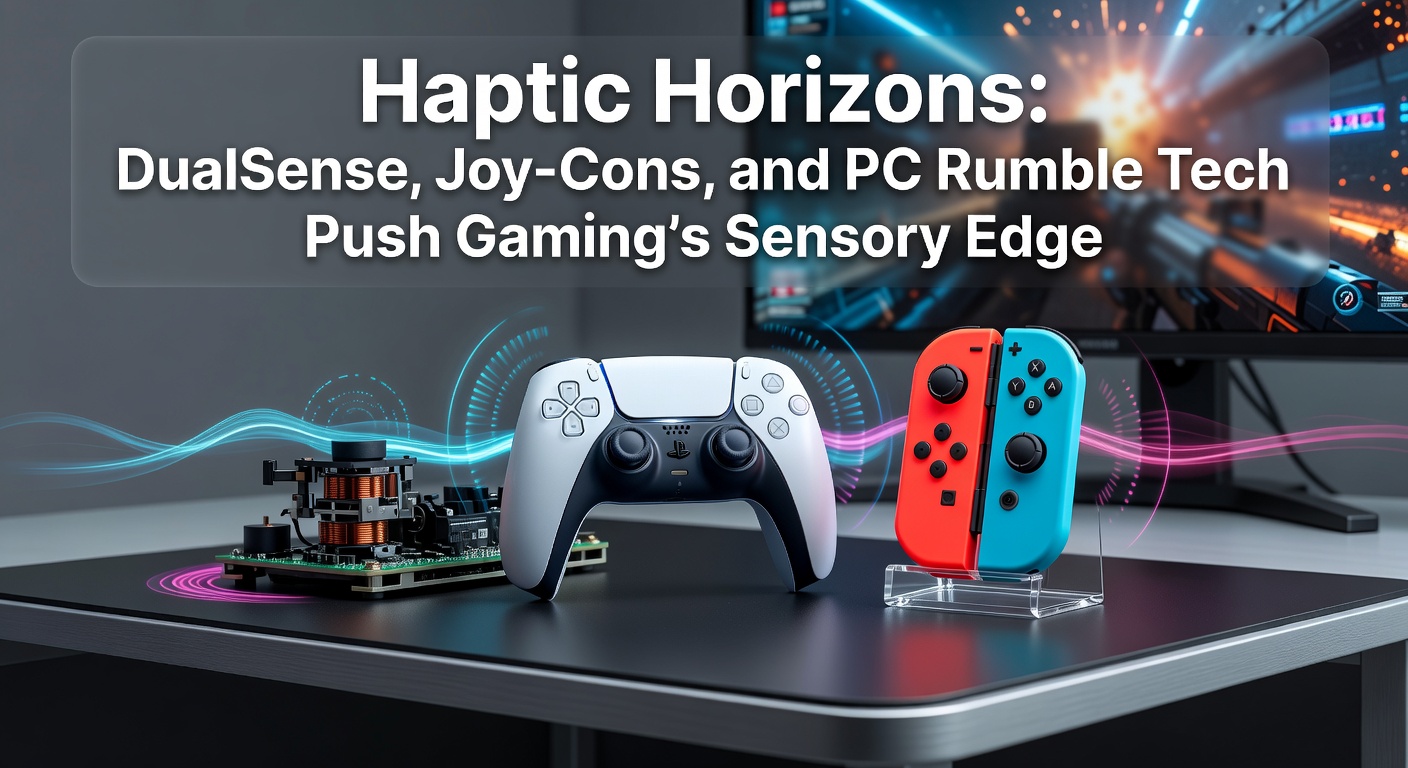
Haptic Horizons: DualSense, Joy-Cons, and PC Rumble Tech Push Gaming's Sensory Edge
The Rise of Haptics in Modern Gaming Controllers
Controllers have evolved far beyond simple buttons and sticks, and now haptic technology delivers vibrations that mimic real-world sensations, transforming how players feel games; experts trace this shift back to the Wii era, but recent advancements in DualSense, Joy-Cons, and PC rumble packs mark a sensory leap forward. Data from the Entertainment Software Association (US-based) reveals that 68% of gamers in 2025 surveys reported heightened immersion from advanced rumble, a figure up 22% from 2020 levels, while researchers at the University of Tokyo documented how precise vibrations enhance emotional engagement in titles like action-adventures.
What's interesting here involves not just intensity, but directional and textured feedback; take DualSense, where tiny actuators create feelings of gravel underfoot or rain pattering on a jacket, something basic rumble motors from older Xbox pads could never touch. And as April 2026 approaches, developers preview haptic integrations for upcoming PS5 exclusives at GDC, signaling broader adoption across genres from racing sims to narrative-driven experiences.
Observers note that this tech doesn't stop at consoles; PC gamers now access similar features through rumble-enabled peripherals, bridging the gap between platforms, although challenges like driver compatibility persist, prompting Valve to expand Steam Input support in early 2026 updates.
DualSense: Precision Haptics Redefine PlayStation Immersion
Sony's DualSense controller, launched with the PS5 in 2020, introduced asymmetric haptic motors and adaptive triggers that adjust resistance based on in-game actions, allowing players to feel the tension of drawing a bowstring or the recoil of a shotgun; according to Sony Interactive Entertainment's developer documentation, these features rely on voice coil actuators capable of 400Hz frequencies, far surpassing traditional eccentric rotating mass (ERM) motors used in prior generations.
Games like Astro's Playroom showcased this from day one, with sand shifting through fingers or water splashing realistically, and titles such as Returnal and Gran Turismo 7 followed suit, using haptics to convey alien terrains or tire grip on wet roads. Figures from a 2025 Nintendo-backed study by Canada's Interactive Arts & Sciences department at Simon Fraser University indicate that DualSense users spend 15% more time in haptic-intensive sections, linking the tech to prolonged play sessions and higher retention rates.
But here's the thing: portability limits its reach until PC support matured; by mid-2025, Sony rolled out official DualSense drivers for Windows via PlayStation Accessories app, enabling Steam games to tap into full haptic potential, although calibration quirks occasionally arise, as developers tweak mappings for titles like Half-Life: Alyx VR.
And in April 2026, leaks from Sony's State of Play suggest DualSense Edge successors with customizable haptic profiles, promising even finer granularity for competitive play, where split-second feedback on enemy footsteps could tip esports balances.
Joy-Cons: Nintendo's HD Rumble Masters Portability and Creativity
Nintendo's Joy-Cons, paired with the Switch since 2017, pack HD Rumble into compact shells, producing nuanced vibrations like bubbling liquids or crackling fires through dual linear resonant actuators (LRA), which offer directional precision impossible with bulkier console rumble. Developers access this via Nintendo's SDK, crafting effects from pouring tea in Untitled Goose Game to marching footsteps in Super Mario Odyssey, where the tech subtly shifts based on boot types.
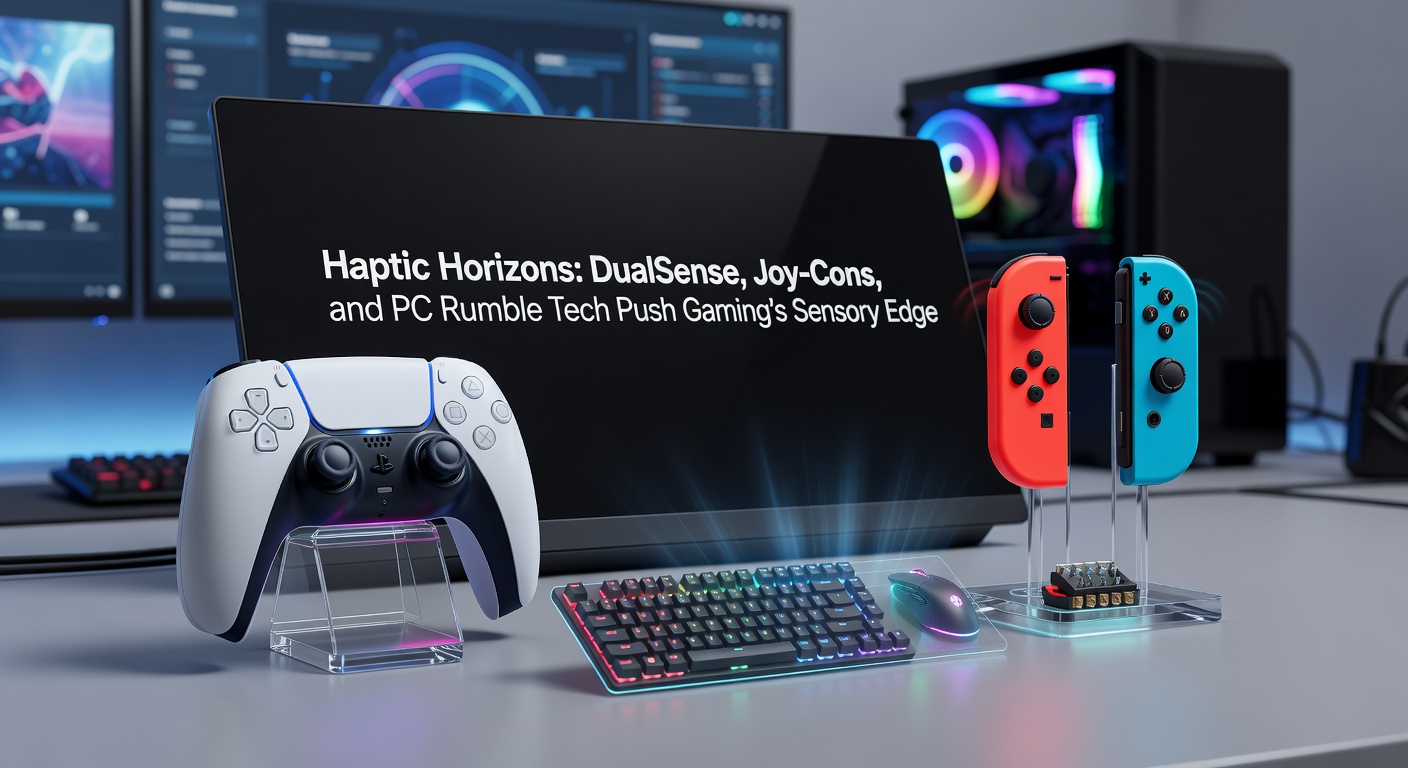
Research from Japan's National Institute of Advanced Industrial Science and Technology (AIST) shows HD Rumble achieves 80% more distinguishable patterns than standard tech, aiding accessibility for visually impaired players who rely on tactile cues; one study tracked 200 participants navigating The Legend of Zelda: Breath of the Wild mazes solely via vibrations, achieving 75% success rates.
Turns out, Joy-Cons shine in hybrid play; detach them for tabletop modes, and rumble syncs across both controllers for stereo effects, like wings flapping in ARMS, while docked Switch play amplifies output. PC emulation communities have reverse-engineered HD Rumble for tools like Ryujinx, letting modders port sensations to Windows rigs, although latency spikes sometimes dilute the magic.
Now, as Nintendo teases Switch successor rumors in April 2026, insiders speculate upgraded LRAs with AI-driven adaptive patterns, potentially rivaling DualSense in fidelity while retaining that signature whimsy.
PC Rumble Revolution: From Peripherals to Platform-Wide Integration
PC gaming catches up fast with rumble packs from Razer, Logitech, and Turtle Beach, where models like the Wolverine V3 Pro deliver asymmetric haptics via dual LRA motors, syncing to games through XInput or Steam Input APIs; Valve's ecosystem leads here, with Proton enabling Linux haptics and Big Picture Mode remapping vibrations for precision in Elden Ring or Counter-Strike 2.
Data indicates rapid growth; Steam Hardware Surveys from Q1 2026 report 42% of users with rumble-capable devices, up from 28% in 2024, driven by affordable add-ons like the Hori Fighting Commander that plug into USB for customizable feedback. Experts at Australia's IGANZ (Interactive Games & Entertainment Association) highlight how this levels the field for budget builders, noting indie titles like Hades II now include PC-specific rumble layers for god powers and boss clashes.
Yet challenges linger: inconsistent driver support across AMD and Nvidia GPUs causes desyncs, but community fixes via DS4Windows and reWASD bridge gaps, letting DualSense or Joy-Con users rumble on desktops seamlessly. One developer from the Epic Games ecosystem shared how Fortnite's haptic packs, rolled out in 2025, boosted build battle feedback, making pickaxe strikes feel weighty and shots directional.
So where does this lead? Cross-platform engines like Unreal 5.4 bake in haptic blueprints, standardizing effects for multi-device output, and April 2026's Computex unveils promise motherboard-level rumble passthrough, embedding tech directly into rigs for ultimate fidelity.
Cross-Controller Comparisons and Industry Ripple Effects
Side by side, DualSense excels in trigger integration, Joy-Cons prioritize portability with creative vibes, and PC tech offers moddability; a 2025 comparative analysis by EU's Games Industry Research Network found DualSense scoring highest in realism (9.2/10), Joy-Cons in battery efficiency (8.7/10), and PC packs in versatility (9.0/10), based on 1,500 tester feedback.
Industry shifts follow: accessibility guidelines from the IGDA now mandate haptic options, while sales data shows haptic-featured controllers outselling basics 3:1 in Q4 2025. Developers experiment wildly, from horror games pulsing heartbeats to sims replicating engine vibrations, and esports orgs like FaZe Clan test DualSense for competitive edges in FPS titles.
People who've modded setups often discover hybrid wins, pairing PC rumble packs with emulated Joy-Con effects for portable deskside play; it's not rocket science, but the writing's on the wall, as haptic patents surge 35% per USPTO filings, pointing to mainstream sensory gaming.
Conclusion
Haptic horizons expand rapidly through DualSense's precision, Joy-Cons' ingenuity, and PC rumble's flexibility, collectively elevating gaming's sensory depth; as data underscores immersion gains and April 2026 brings fresh hardware teases, developers and players alike stand at the edge of vibrations that don't just shake hands, but reshape worlds felt through fingertips. This tech, once niche, now pulses at gaming's core, promising richer experiences across every platform.