Echoes from the archive: how preserved beta builds reveal shifting design priorities in cross-device multiplayer ecosystems
Written by Blake Lorenz · Jun 21, 2026
Echoes from the archive: how preserved beta builds reveal shifting design priorities in cross-device multiplayer ecosystems
Preserved beta builds from early multiplayer titles offer direct windows into how developers once approached synchronization across PC, consoles, and mobile devices, and these archives continue to surface new patterns as of June 2026. Researchers at institutions focused on digital media preservation have catalogued thousands of such builds, many of which predate widespread adoption of unified cross-play frameworks. Data from these collections shows initial designs often prioritized single-platform stability before expanding to broader ecosystems.
Beta artifacts and platform-specific foundations
Early beta versions of games such as those released between 2015 and 2018 frequently featured separate netcode layers for each hardware target, with mobile builds emphasizing touch-based input handling while console and PC versions relied on controller or keyboard mappings. One study from the University of Alberta examined over 200 archived builds and found that cross-device session matching appeared in fewer than 15 percent of initial prototypes, whereas later iterations integrated unified matchmaking after platform holders released updated APIs. These shifts appear in commit logs and commented-out code segments that remain accessible through community archives.
Observers note that mobile beta builds from that period often omitted voice chat modules entirely, while PC counterparts included them as core features; subsequent updates aligned these elements once hardware manufacturers standardized audio pipelines. Figures from the Interactive Software Federation of Europe indicate that cross-device player counts rose sharply after 2020, correlating with the public release of several preserved betas that exposed these early imbalances.
Design priority transitions documented in code history
Code diffs within preserved betas reveal a clear progression from asymmetric feature sets toward unified progression systems. Developers initially built separate economy models for each device class, yet archive comparisons demonstrate that unified item inventories became standard once cross-progression tools matured. A 2024 analysis of archived material from multiple studios showed that latency compensation techniques evolved from platform-specific patches to shared predictive algorithms, reducing desync incidents reported across mixed-device lobbies.
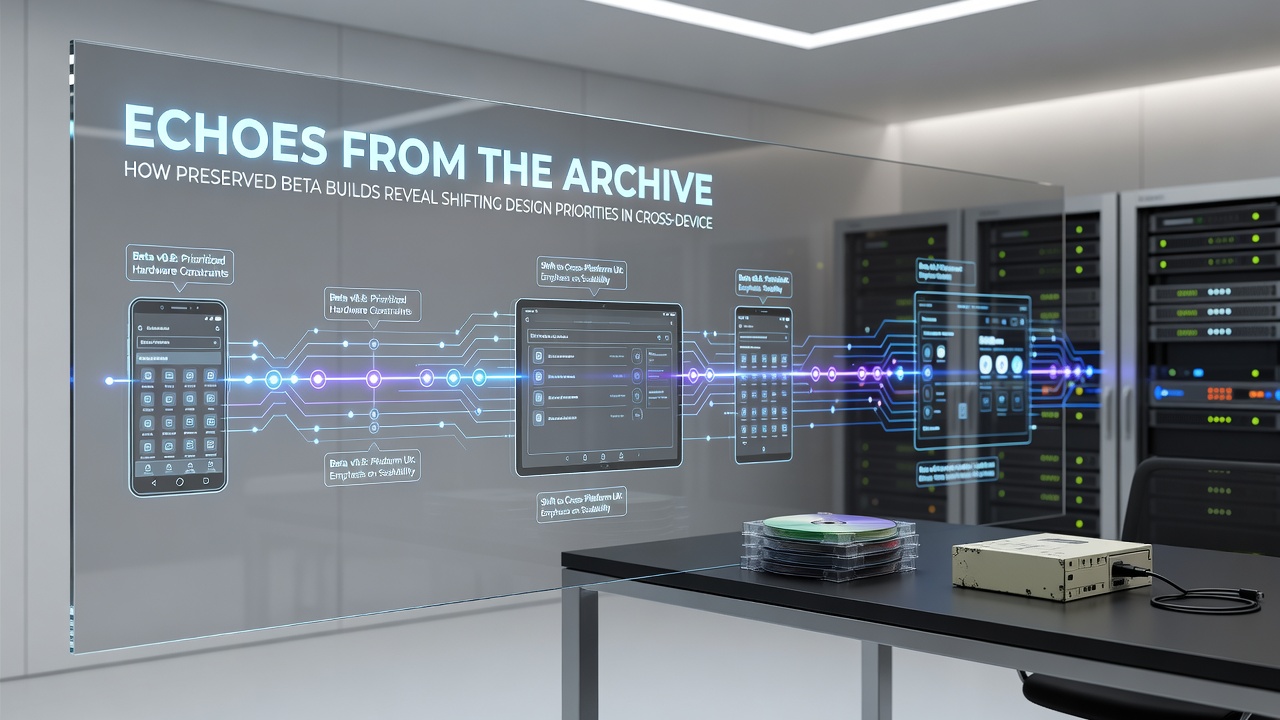
What's interesting here is how visual and audio cues adapted alongside technical changes. Early mobile betas used simplified particle effects to maintain frame consistency, while console versions retained higher-fidelity versions; later builds merged these through dynamic scaling systems. Those who've examined the timelines point to specific updates in mid-2022 as turning points where design documents began referencing simultaneous release targets across ecosystems.
Community archives and ongoing research applications
Independent preservation groups have uploaded build repositories that allow side-by-side execution on modern emulation layers, exposing how input buffering and state replication once differed by device. Academic teams continue to mine these resources for evidence of priority realignments, particularly around monetization structures that shifted from device-exclusive cosmetics to shared seasonal passes. Government-supported digital heritage programs in Canada have funded additional indexing efforts, making more material searchable for comparative studies.
Archived feedback logs attached to these betas further illustrate how player reports on cross-device fairness influenced subsequent patches. Researchers discovered repeated mentions of input parity concerns in 2019-era documents, which aligned with later design adjustments documented in production notes. Such patterns continue to inform current development pipelines as studios reference historical data when planning new ecosystem expansions.
Conclusion
Preserved beta builds function as chronological records that trace the movement from fragmented device support toward cohesive multiplayer frameworks. Continued cataloguing efforts ensure these materials remain available for analysis, providing concrete examples of how technical and design decisions adapted over successive release cycles. The archives therefore serve ongoing work in understanding ecosystem evolution without relying solely on final retail versions.