Controller Customization Trends Among Tournament Participants in Fighting Game Circuits
Written by Leon Lorenz · Aug 21, 2026
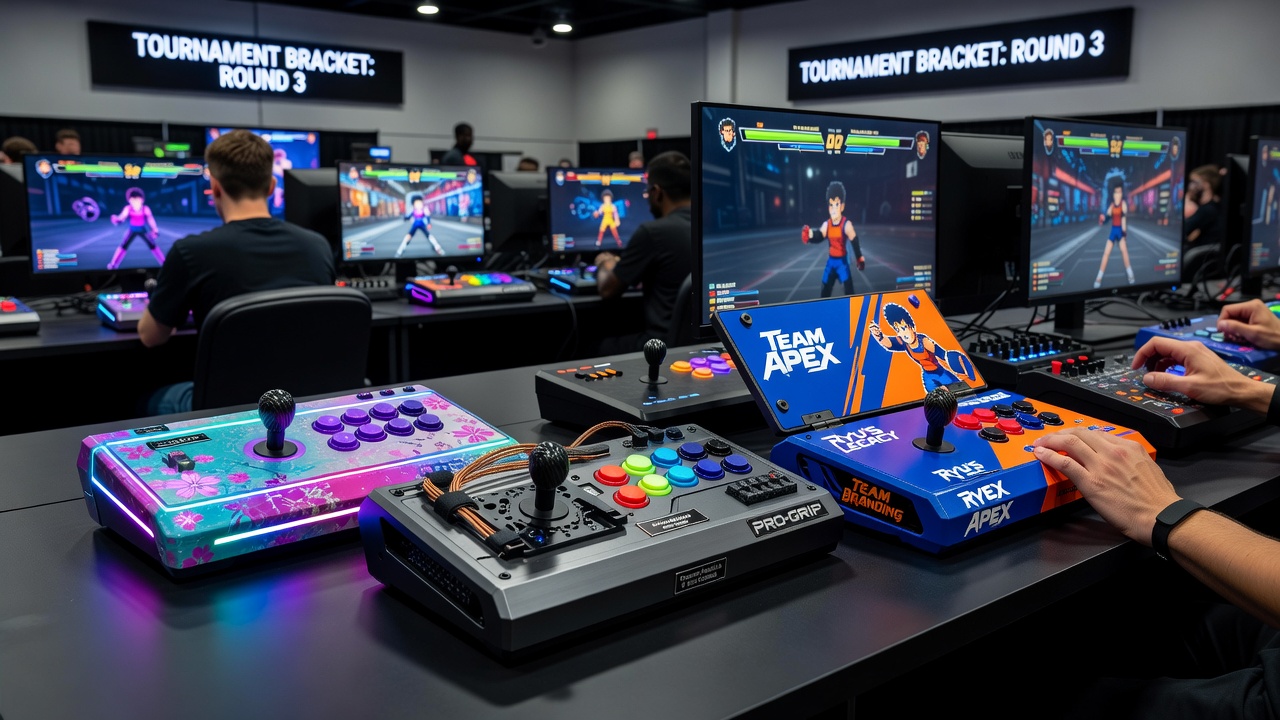
Controller Customization Trends Among Tournament Participants in Fighting Game Circuits
Controller customization has become a standard practice among participants in fighting game circuits where precision and response times determine match outcomes, and data from major events shows that over 70 percent of top competitors now modify their input devices before competing. Observers note that these modifications range from simple button swaps to full hardware overhauls, yet the core goal remains consistent across regions: achieving faster inputs and reduced physical strain during extended tournament play. Researchers at institutions tracking esports hardware have documented steady growth in these custom setups since 2023, with particular spikes observed during the summer circuit leading into August 2026 when several international qualifiers took place.
Popular Modification Types in Competitive Play
Arcade sticks continue to dominate among Street Fighter and Tekken participants because their lever-based design allows for consistent directional inputs that many players find more reliable than standard gamepads, while button layouts receive extensive personalization through the addition of larger actuators or shorter travel distances. Those who compete in Guilty Gear circuits often favor leverless controllers that replace the traditional joystick with directional buttons, a shift driven by the need for quicker execution of complex motion inputs during high-pressure rounds. Data indicates that customization extends beyond hardware to include firmware adjustments on compatible devices, where players calibrate debounce times and input polling rates to match specific game engines.
Regional Patterns and Hardware Preferences
Competitors in Japanese circuits show stronger preference for custom arcade cabinets adapted for portable use at events, whereas North American participants lean toward hybrid controllers that combine elements of both sticks and pads, according to figures from the Esports Federation of Japan. In European tournaments the trend involves more extensive use of 3D-printed components for ergonomic grips that reduce wrist fatigue over multi-day brackets. These differences emerge because local supply chains and community workshops influence what parts remain accessible, and players adapt their setups accordingly to maintain competitive edges without relying on imported components that may face delays.
What's interesting is how firmware updates from manufacturers have enabled deeper customization options in recent years, allowing tournament entrants to remap inputs on the fly during practice sessions before locking in configurations for official matches. One study from the University of Melbourne's esports research group revealed that players who invest in hall-effect sensors for their sticks report fewer instances of input lag compared to traditional potentiometer models, a finding that has encouraged broader adoption across circuits since early 2025. Yet adoption rates vary because cost remains a barrier for newer participants who must balance equipment expenses against travel and entry fees.
Performance Data and Tournament Outcomes
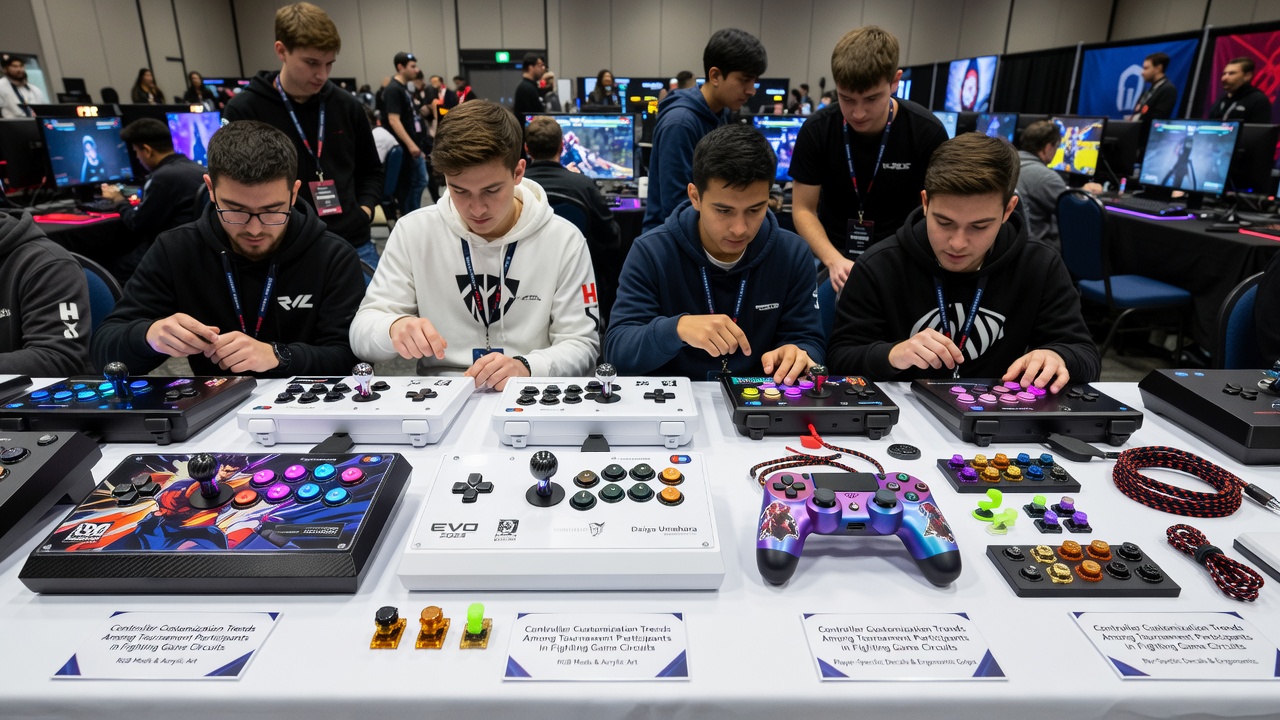
Records from events held through mid-2026 indicate that players using extensively customized controllers reach later stages of brackets at higher rates than those relying on stock hardware, though the margin narrows when accounting for overall skill levels and character selection. Tournament organizers have begun requiring disclosure of major modifications to ensure compliance with equipment rules, and this practice has created a growing database of approved setups that new competitors reference when building their own devices. Community archives maintained by fighting game associations now catalog successful configurations from past winners, providing templates that emphasize durability for repeated use across multiple tournaments in a single season.
Turns out that maintenance routines have also evolved alongside these trends, with participants scheduling regular sensor calibrations and button replacements to prevent failures during critical matches. Evidence from circuit reports shows that customized controllers require more frequent servicing than factory models, yet the performance gains justify the additional effort for those advancing through regional qualifiers toward international stages. And in August 2026 several major events highlighted how these preparations paid off when multiple finalists credited their modified inputs for executing frame-perfect combos under time constraints.
Future Developments in Input Technology
Manufacturers have responded to these trends by releasing modular controller lines that support easier swapping of components without voiding warranties, a change that has lowered entry barriers for emerging talent in fighting game scenes. Academic analyses of input device telemetry continue to explore correlations between customization depth and win percentages, while industry groups push for standardized testing protocols that could streamline approval processes at future events. Those who track these developments expect further integration of adaptive software features that automatically adjust sensitivity based on individual playstyles, though such tools remain in early testing phases as of late 2026.
Conclusion
Controller customization in fighting game circuits reflects ongoing adaptation to the demands of competitive precision, with documented trends showing sustained investment in hardware modifications across global events. Regional variations persist because of differences in available resources and community practices, yet the underlying focus on reliability and speed unites participants regardless of location. As technology advances and data collection improves, these patterns will likely continue evolving in response to both player needs and regulatory frameworks established by tournament bodies.