Codebase Crossroads: Open Source Contributions Shape Multiplayer Mechanics in Survival Games Across Digital Platforms
Written by Paul Fischer · Jul 15, 2026
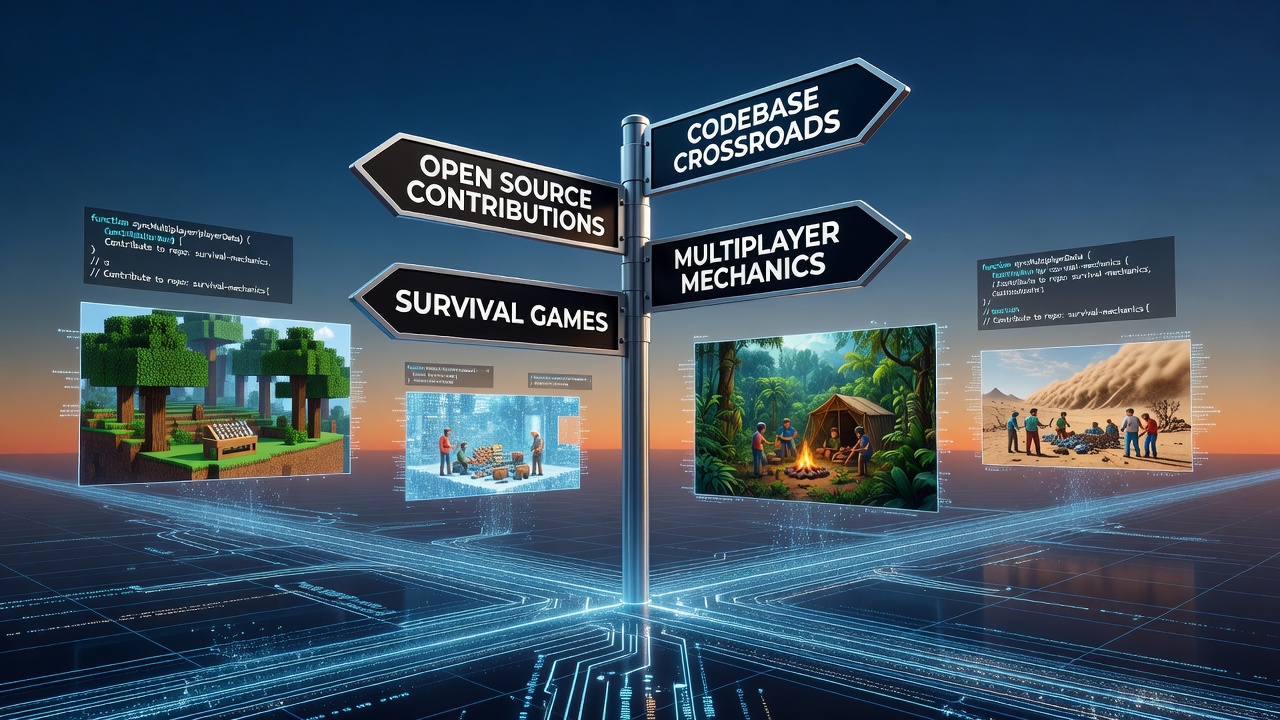
Codebase Crossroads: Open Source Contributions Shape Multiplayer Mechanics in Survival Games Across Digital Platforms
Survival games have long relied on complex multiplayer systems that handle player interactions, resource sharing, and persistent worlds, yet open source contributions now accelerate refinements across PC, console, and mobile platforms. Community developers submit code patches that address synchronization issues, while established studios integrate these updates into official releases. Data from mid-2026 shows increased participation in public repositories tied to titles like those inspired by Minecraft and Rust mechanics, where base code allows external modifications without proprietary restrictions.
Open Source Foundations in Survival Mechanics
Engine modifications often begin with publicly available repositories that expose core networking layers, allowing contributors to optimize latency handling for group raids or base-building sessions. Researchers at teh University of Sydney documented how these adjustments improved stability in cross-device sessions during 2025 tests, with similar patterns emerging in July 2026 reports on updated survival titles. Modders focus on elements such as procedural generation algorithms that scale enemy encounters based on participant numbers, and they publish changes under permissive licenses that studios adopt for broader distribution.
Platform differences create distinct challenges, since PC versions support extensive scripting while console ecosystems enforce stricter certification processes. Mobile implementations, meanwhile, prioritize lightweight code to maintain performance on varied hardware. Open source efforts bridge these gaps by providing shared libraries for inventory management and real-time position tracking that function across environments. Observers note that such contributions reduce development cycles, as teams incorporate tested modules rather than building features from scratch.
Cross-Platform Synchronization Advances
Multiplayer survival experiences depend on consistent world states, and open source tools have enhanced replication protocols that prevent desync during cooperative play. Contributors refine algorithms for handling player deaths, item transfers, and environmental changes that persist across sessions. In July 2026, several projects released patches that integrated these improvements into existing codebases, enabling smoother transitions between PC and mobile clients without requiring full engine overhauls.
Studies indicate that these shared resources also support anti-cheat mechanisms through transparent review processes, where community audits identify vulnerabilities faster than closed teams alone. One case involved a repository for a popular survival framework that added modular security layers, which later appeared in console updates after independent verification. This approach maintains competitive balance in global communities where participants connect from different regions and devices.
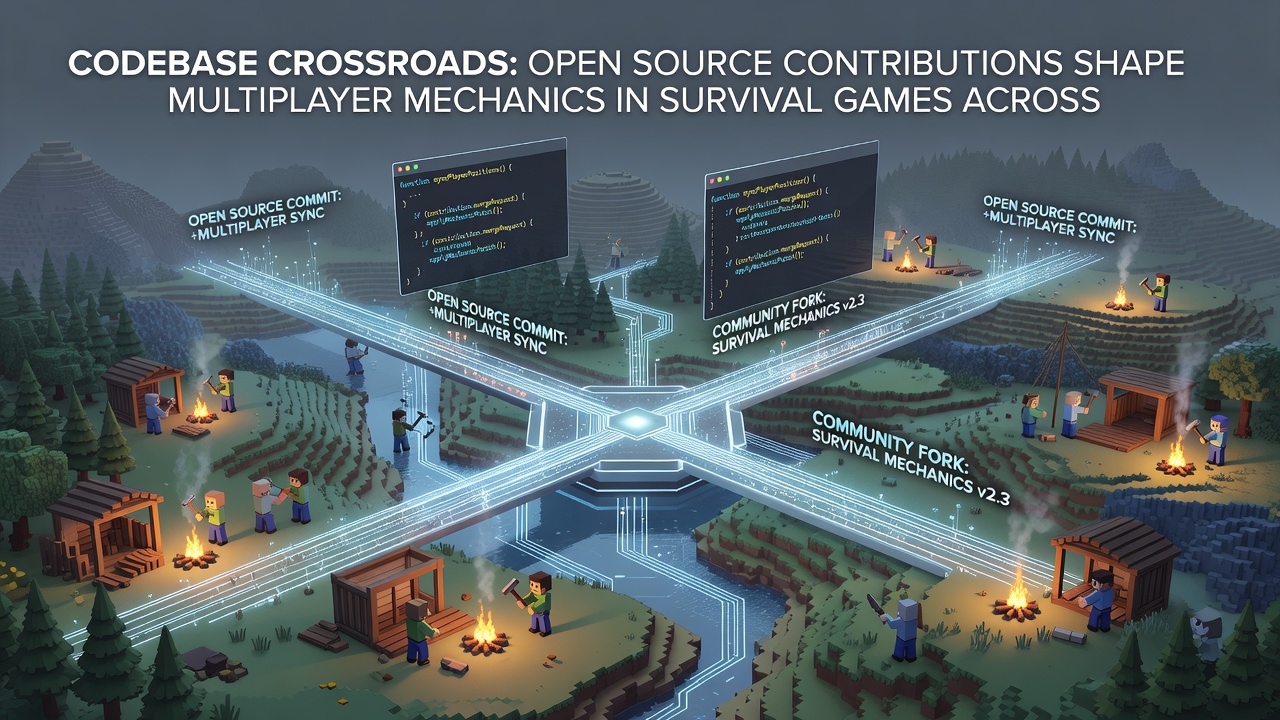
Community Impact on Feature Development
Contributors frequently target quality-of-life elements like voice integration and map sharing that enhance group coordination in survival scenarios. These additions emerge from forums and repositories where users report specific pain points, then collaborate on solutions that studios evaluate for inclusion. Evidence from industry analyses reveals that survival titles incorporating such input see higher retention rates, since mechanics align more closely with player expectations formed through extensive testing.
Regional variations influence contribution patterns, with North American developers often emphasizing performance optimizations for high-player-count servers, while European groups focus on accessibility features for diverse hardware. Data compiled by the Interactive Software Federation of Europe highlights how these localized inputs feed into global codebases, creating mechanics that adapt to both high-speed connections and intermittent mobile networks. Such collaboration demonstrates how open repositories distribute workload across time zones and expertise levels.
Challenges and Integration Patterns
Despite benefits, merging external code requires careful review to avoid conflicts with platform-specific guidelines, particularly on consoles where certification timelines extend project schedules. Teams address this through automated testing suites shared in public repositories, which flag compatibility issues early. Survival game developers have adopted these workflows to maintain update frequency, releasing patches that incorporate vetted contributions without disrupting ongoing player progress.
Long-term projects benefit when open source activity sustains interest beyond initial launches, as new mechanics emerge from ongoing dialogue between creators and users. Figures from recent reports show sustained repository activity correlating with extended support periods for multiplayer survival titles, where core systems evolve through incremental additions rather than major rewrites.
Conclusion
Open source contributions continue to influence multiplayer mechanics by supplying tested solutions for synchronization, security, and feature expansion that span PC, console, and mobile platforms. Survival games illustrate this dynamic through community-driven refinements that reach official releases, supported by documentation from academic and industry sources. The pattern established in July 2026 suggests further integration as repositories grow and tools for cross-platform compatibility mature.