Cataloging Demographic Shifts in Puzzle Game Audiences Through Global Download Patterns and Regional Update Cycles
Written by Tina Bennett · Aug 23, 2026
Cataloging Demographic Shifts in Puzzle Game Audiences Through Global Download Patterns and Regional Update Cycles
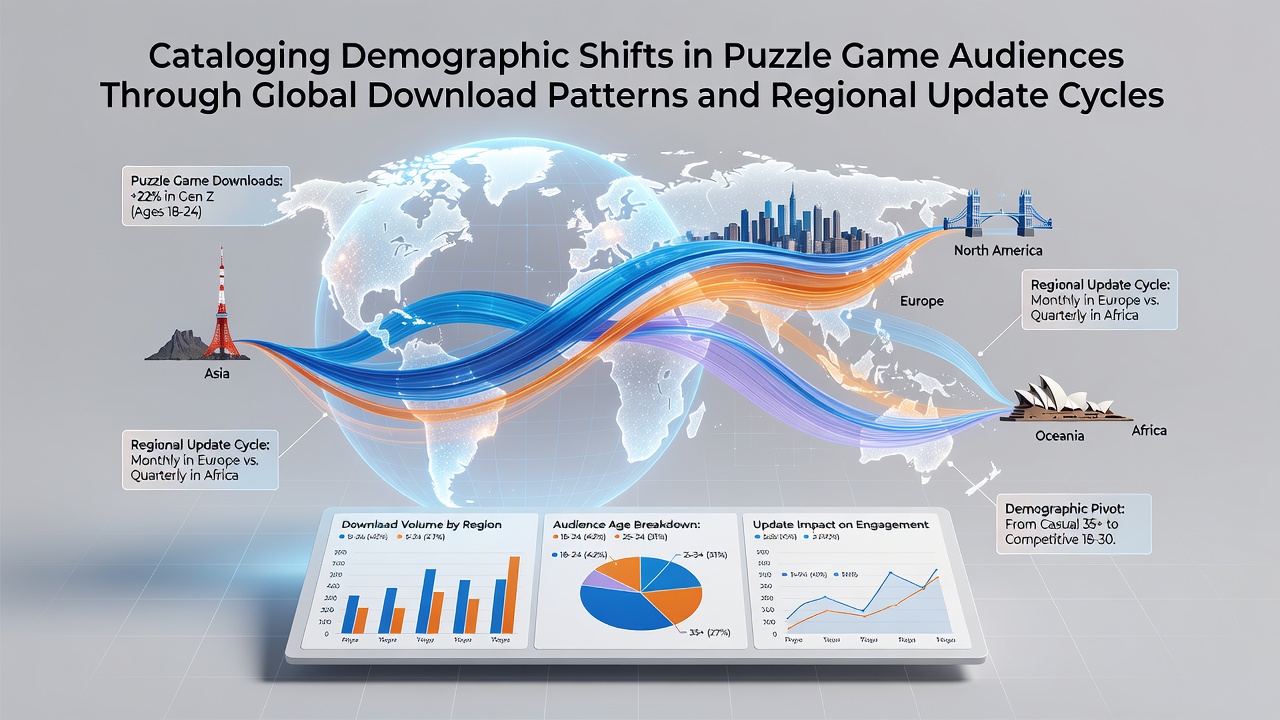
Data from mobile storefronts and analytics platforms reveal measurable changes in puzzle game audiences as download volumes shift across regions while update schedules adapt to local market conditions. Researchers tracking these patterns note that puzzle titles such as match-three adventures and logic puzzles continue to attract varied player bases, with download spikes occurring at different times in North America, Europe, Asia, and Latin America. August 2026 figures indicate that emerging markets in Southeast Asia recorded higher installation rates for casual puzzle apps compared to the same period in 2025, whereas established markets in Western Europe showed steadier but slower growth among older demographics.
Global Download Patterns and Audience Movement
Download metrics compiled by industry trackers show that puzzle game installations increased by double-digit percentages in several developing regions during the first half of 2026, driven by improved smartphone penetration and localized marketing campaigns. Analysts at the Entertainment Software Association have documented how these installations correlate with age group distributions, finding that users aged 18 to 34 now represent a larger share of new downloads in urban centers across Latin America than they did two years earlier. Meanwhile, data from the same period highlights sustained interest among players over 45 in North American markets, where download volumes for brain-training puzzle variants remained consistent despite overall market saturation.
Regional disparities appear clearly when examining cumulative download totals through July 2026, with Asia-Pacific territories accounting for the majority of new puzzle game acquisitions worldwide. Observers note that seasonal events such as regional holidays often trigger temporary surges, and these events differ markedly between East Asian and South Asian countries, leading to staggered peaks rather than simultaneous global jumps. Such timing variations help researchers map how audience segments migrate between titles based on update availability and content refreshes.
Regional Update Cycles and Their Influence
Update deployment schedules vary significantly by territory because developers align patch releases with local server capacities and regulatory review processes. In markets where app stores conduct extended compliance checks, puzzle game updates reach players weeks later than in regions with streamlined approval pathways. This staggered rollout pattern affects retention rates, since players in faster-update zones often progress through new levels and features ahead of those in slower zones, creating observable differences in engagement duration and cross-regional competition.
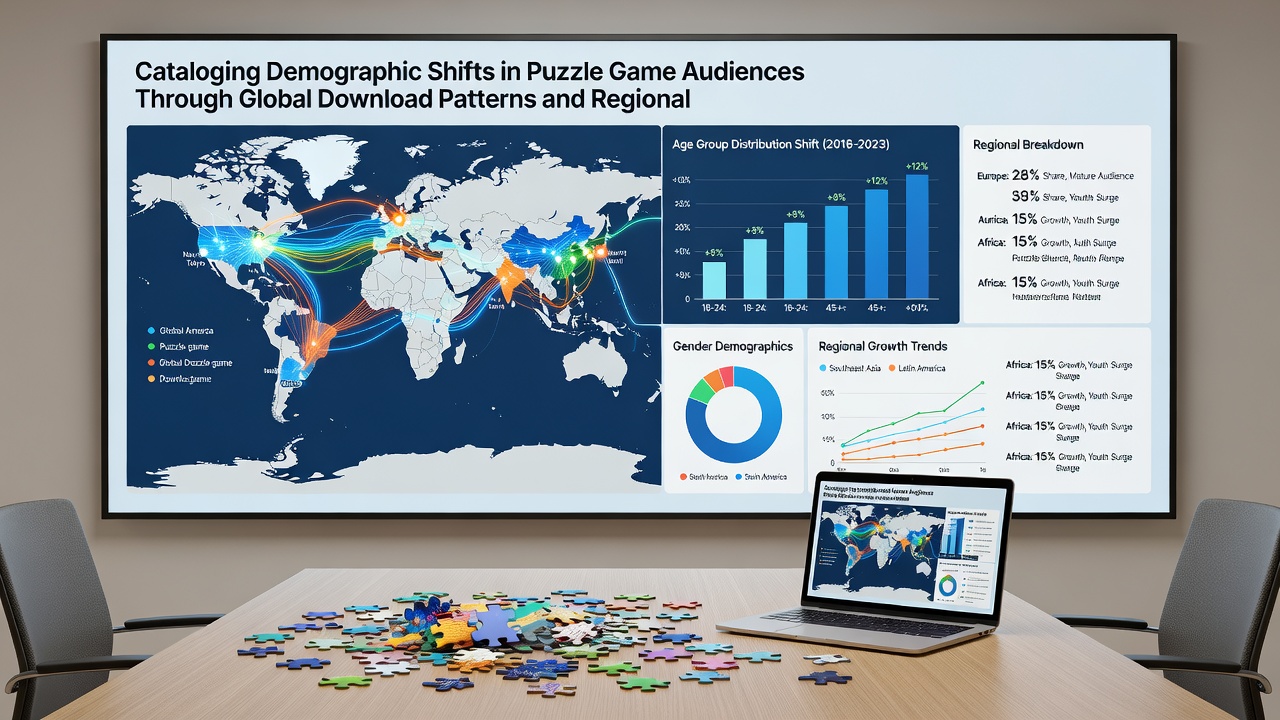
Evidence collected from app telemetry indicates that regions receiving earlier updates experience measurable shifts in player demographics within 30 days of release. Younger users tend to adopt new mechanics quickly, while older cohorts show higher retention when updates introduce accessibility options such as adjustable difficulty or simplified interfaces. Data from Canadian gaming research initiatives further supports these observations, demonstrating that update timing influences which age brackets remain active over multi-month periods.
Demographic Indicators Derived from Download and Update Data
Cross-referencing download logs with update adoption rates allows analysts to identify emerging audience clusters without relying on self-reported surveys alone. In August 2026, puzzle game studios reported rising participation from female players in the 25 to 40 age range within several European markets, coinciding with update cycles that introduced collaborative puzzle modes and social sharing features. At the same time, male-dominated segments in the 18 to 24 bracket grew in parts of the Middle East where download campaigns targeted university networks during summer breaks.
These indicators emerge because update cycles often bundle features that appeal to specific subgroups, and download patterns reflect how quickly each subgroup responds. Researchers tracking these correlations have noted that regions with frequent small updates tend to retain broader demographic mixes, whereas areas with infrequent large updates see narrower audience compositions over time. The resulting datasets provide a factual basis for mapping how puzzle game communities evolve across borders.
Case Examples of Pattern Tracking
One documented instance involves a popular match-three title that adjusted its update schedule for the Australian market in early 2026 to coincide with school holidays, resulting in a documented uptick in downloads among users under 18. Another case from Nordic countries shows how delayed updates correlated with slower growth in the 35-plus segment, even though overall downloads remained stable. Such examples illustrate how regional timing decisions translate into measurable demographic outcomes when aggregated across multiple titles and months.
Conclusion
Global download patterns combined with regional update cycles supply concrete metrics for cataloging demographic shifts in puzzle game audiences. August 2026 data underscores ongoing changes in age, gender, and geographic distributions, driven by the timing and content of updates rather than isolated marketing efforts. Continued monitoring of these variables will allow researchers to maintain accurate records of audience evolution across markets without relying on subjective assessments.