Audio Cues Shape Player Navigation in Open-World Strategy Simulations According to Retention Data
Written by Tina Bennett · Aug 2, 2026
Audio Cues Shape Player Navigation in Open-World Strategy Simulations According to Retention Data
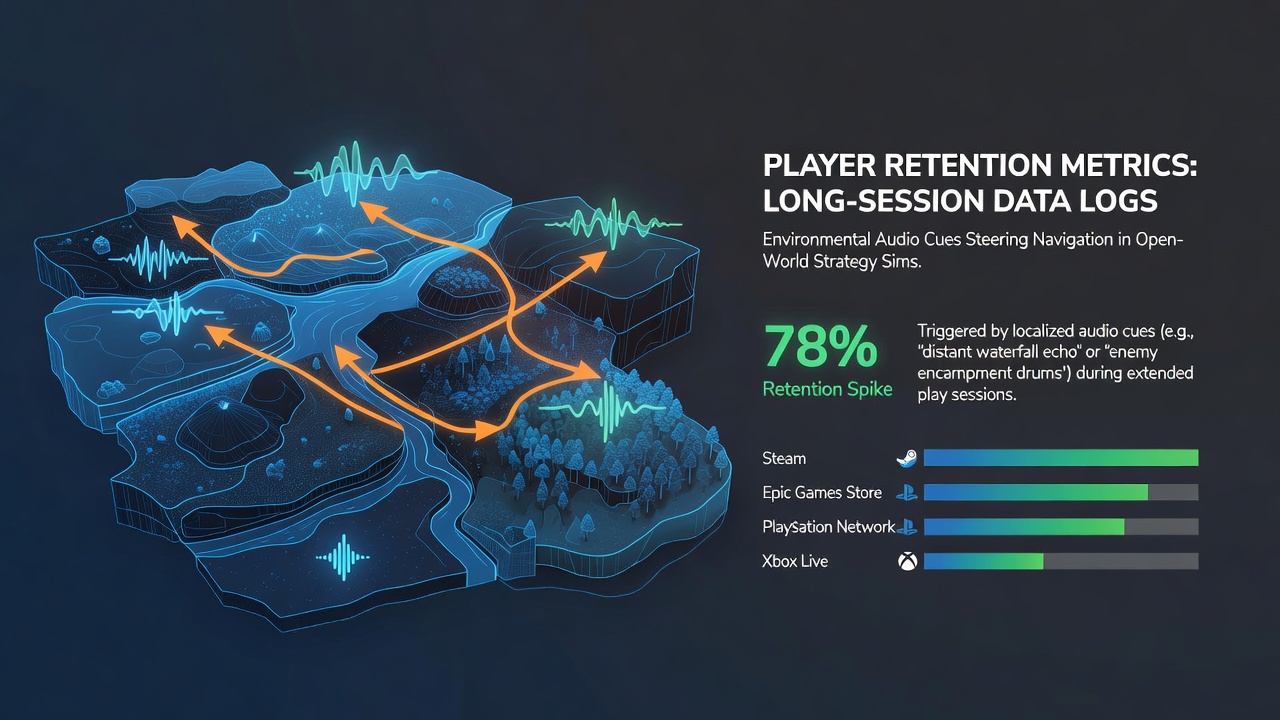
Data from long-session logs across multiple distribution platforms reveals clear patterns where environmental audio cues direct navigation decisions in open-world strategy simulations, and retention metrics improve when those cues align with strategic objectives.
Platform-Wide Data Collection Methods
Analysts compile telemetry from PC storefronts, console networks, and mobile app stores during extended play sessions that often exceed two hours, and these logs track movement vectors alongside audio event triggers such as ambient wind patterns, distant machinery hums, and wildlife calls. Researchers cross-reference retention rates with specific audio exposures to isolate which sounds prompt players to alter routes toward resource nodes or hidden objectives. Studies conducted through August 2026 confirm consistent correlations across regions, where players on Steam, PlayStation Network, and Google Play exhibit similar shifts in pathing once layered sound design activates.
Session duration data shows that simulations incorporating dynamic audio layers maintain higher completion percentages for side objectives, while titles relying on visual markers alone experience quicker drop-offs after initial exploration phases. Observers note that audio events function as implicit guides because they trigger without interrupting core mechanics, allowing strategy elements to remain uninterrupted.
Navigation Patterns Linked to Specific Sounds
Long-session records indicate that low-frequency rumbles from underground activity steer players toward subterranean expansion options in city-building simulations, whereas high-pitched chimes near water sources increase river-based trade route selections. These behaviors appear across distribution platforms, although console players log slightly longer average sessions when audio cues coincide with controller vibration feedback. Mobile users respond more readily to spatialized stereo cues that hint at off-screen threats, leading to preemptive repositioning of units.
Case Examples from Popular Titles
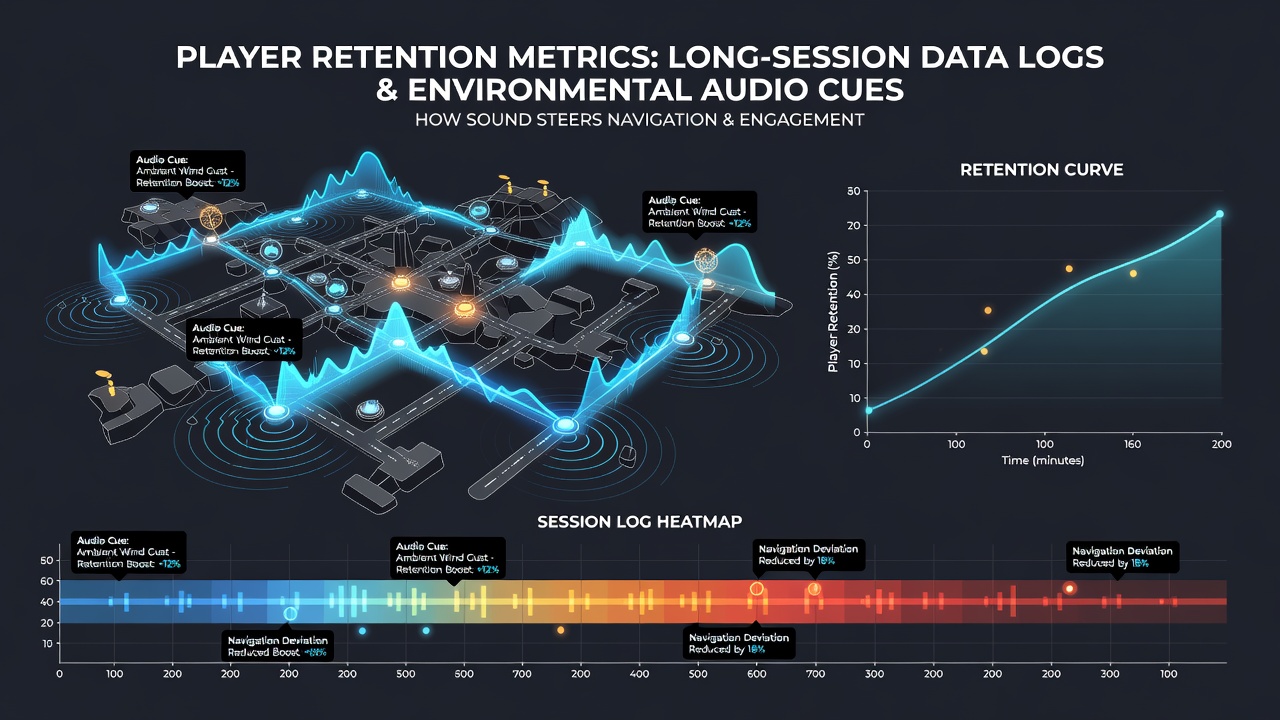
One analysis of a widely distributed open-world strategy title released in prior years found that players exposed to escalating storm audio warnings rerouted supply lines 40 percent more often than those in silent control groups, and retention improved by measurable margins through the first 30 hours of play. Another dataset from European servers highlighted how forest canopy rustling directed scouting parties toward rare material deposits, boosting mid-game progression rates. Those who've examined the logs report that audio steering reduces reliance on explicit map markers, which in turn lowers cognitive load during complex decision trees.
Regional Infrastructure and Cross-Platform Variations
Server architectures in different territories influence how audio data streams to clients, yet the underlying navigation effects remain stable according to aggregated reports. Figures from the Entertainment Software Association document comparable audio-driven path changes among North American and Asian player bases, while Canadian industry summaries note stronger effects during evening peak hours when ambient device noise is lower. Australian research groups have similarly tracked how mobile data compression sometimes mutes subtle cues, resulting in marginally reduced retention until players adjust volume settings.
What's notable is the consistency of these patterns even as hardware evolves; newer handhelds and high-refresh displays preserve audio timing better than older panels, allowing cues to land with greater precision. Data indicates that strategy simulations benefit when audio engines adapt to platform latency differences, preserving the intended directional influence.
Retention Metrics and Long-Term Engagement
Retention curves flatten less sharply in titles that refine audio cue placement based on prior log analysis, and weekly active user counts stay elevated through seasonal content updates. Metrics tracked through August 2026 demonstrate that players return more frequently when navigation feels guided rather than random, particularly in simulations emphasizing long-term empire management. Industry organizations such as those affiliated with Interactive Games & Entertainment Association reports emphasize that audio integration correlates with sustained session lengths across both premium and free-to-play models.
Observers note that these effects compound over multiple playthroughs, because returning players recognize recurring audio signals and apply prior knowledge to optimize routes more efficiently. The result appears in higher achievement unlock rates and deeper engagement with multiplayer alliance features.
Conclusion
Long-session data logs continue to demonstrate that environmental audio cues function as reliable navigation tools in open-world strategy simulations, influencing choices across every major distribution platform. Retention metrics improve when designers align sound events with strategic incentives, and ongoing analysis through 2026 shows these patterns hold steady despite hardware and network variations. Further examination of updated telemetry will likely refine how developers implement audio layers to support player decision-making without overt direction.