Archival Initiatives Catalog Developer Notes from Early Access Phases to Map Design Evolution in Niche Simulation Titles
Written by Jonas Frank · Jun 10, 2026

Archival Initiatives Catalog Developer Notes from Early Access Phases to Map Design Evolution in Niche Simulation Titles
Archival projects in the gaming sector have begun systematically organizing developer notes that span early access periods through later stages of map refinement in specialized simulation games, and these efforts draw from internal documents, patch histories, and feedback logs that developers maintained during iterative testing cycles. Such catalogs allow researchers to trace how initial map layouts in titles focused on logistics networks or agricultural systems shifted based on accumulated data from player interactions recorded between 2022 and 2025. Observers note that these initiatives often integrate version control repositories with metadata tags for map coordinates, terrain parameters, and design rationales, which creates searchable databases that connect early prototypes to finalized configurations used in released builds. Data from industry reports indicates that preservation groups in North America and Europe have prioritized niche simulation projects because their smaller development teams frequently retain detailed internal correspondence that larger studios discard after launch.Documentation Methods in Early Access Stages
Developers working on simulation titles during early access phases generate extensive notes that cover terrain generation algorithms, resource placement logic, and player navigation constraints, while archival teams convert these into standardized formats that include timestamps and cross-references to specific map files. Studies conducted by academic institutions show that cataloging these materials reveals patterns in how initial grid-based maps expanded into multilayered environments once feedback on pathfinding efficiency accumulated. One project led by preservation specialists in Australia compiled notes from several logistics simulation series and demonstrated that early access documents frequently referenced placeholder assets later replaced by procedurally adjusted terrain features. These records help map the progression from basic heightmap implementations to integrated systems that account for seasonal variations and vehicle dynamics.Map Design Shifts Traced Through Archived Materials
Catalog entries frequently highlight transitions in map complexity where early versions featured limited connectivity between zones, yet subsequent iterations incorporated player-reported bottlenecks that prompted addition of alternative routes and dynamic loading zones. Research indicates these changes occurred incrementally across multiple updates, with developer notes providing context for decisions that balanced computational load against visual fidelity.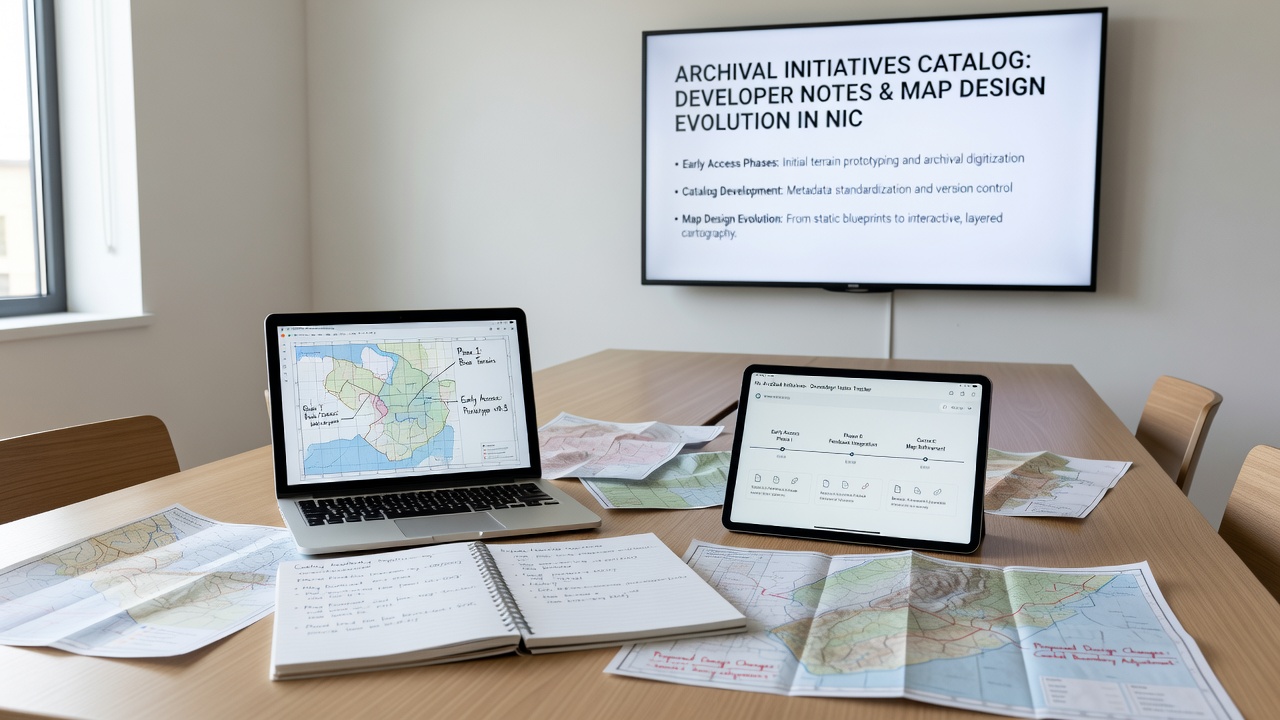 In June 2026 several European archival consortia plan to release expanded databases that link early access feedback threads directly to final map geometry files, allowing analysts to quantify how terrain adjustments reduced average traversal times by measurable percentages. Such resources draw from both public patch notes and privately donated developer logs that detail the rationale behind each modification.